

I have been a trainer/coach for over 13 years and it was only up until 5 years ago that I went from “fit but fat” to actually “fit and healthy”.
What can you expect from this read?
- My background of being a “fit but fat” trainer.
- My constant struggle against food
- What was my first change and did it work?
- Understanding that even my “easy” training was too hard on my body.
- Becoming metabolically flexible
- How did LAHR training come about
- Do I use carbohydrates at all?
- What was the end result?
I have been in the endurance and weight loss scene for over a decade now and I myself have dipped in and out of it. Not due to losing “motivation” or the lack of love for training, but mainly because I couldn’t grasp a good sustainable routine that would allow me to get fit, remain lean and also stay uninjured with an achilles problem consistently present.
I have always loved the endurance event style training like triathlons and ultra running, as they would pressure me into training and in essence assist in helping me to stay “fit”.
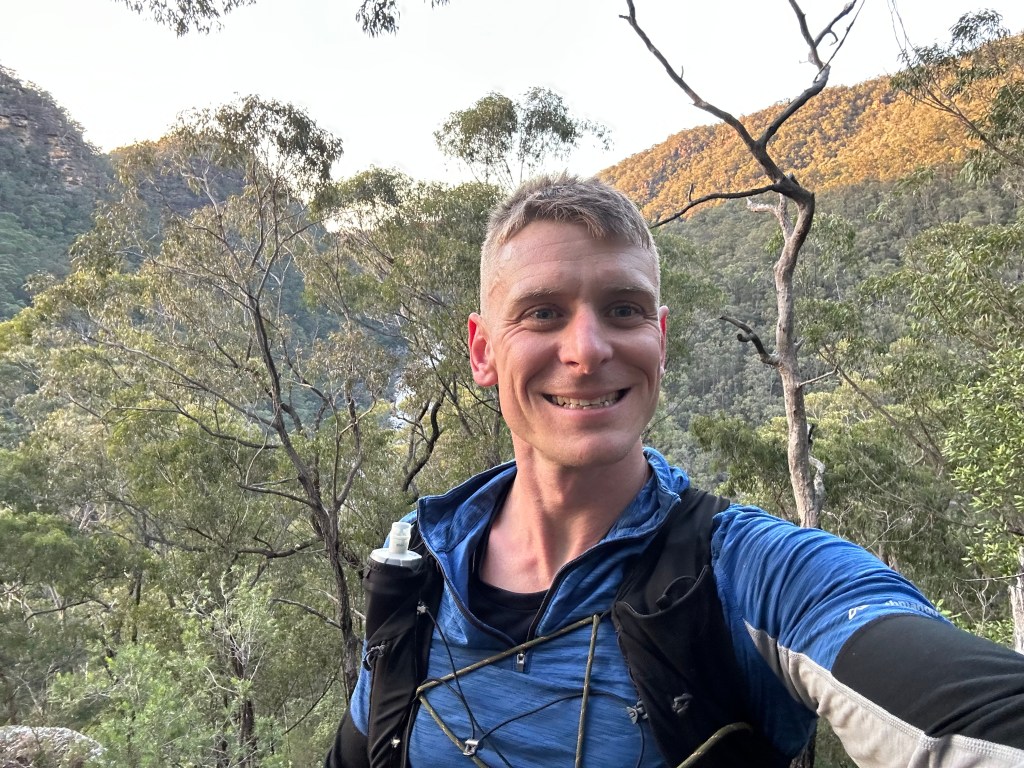
While the extra pressure of the event timeline certainly helps as an external motivator, it also unfortunately pushed me into this yo-yo cycle of training, dieting and relapse. I would go from a normal amount of training to then a huge amount of volume thrusted into the body with only 12-16 weeks left until event day. You know all those programs you can buy online that are along the lines of “12 weeks to race day” promising you better performance, faster splits and weight-loss, and yet in the back of your head you know the program is just a pre-planned program that gets sent to everyone purchasing without any specifics for the person completing.
Alongside the constant increase in training volume and intensity, I would start tracking my calories (however with little no focus on the quality of my food) in an effort to lose the necessary 10kg that I knew I should have lost before the race day to make sure I race at my very best.
I was at-least real with myself in this manner, completing an endurance event while carrying excess body fat, is just not ideal for both race performance and my overuse injury. I blasted out the 12-16 weeks, and more often than not I would cancel myself out of the event, because not only could I not sustain the training, my achilles pain was coming back and to make matters worse I was still training with a gut (over-fat) and despite the massive drop in calories and extra training, I still couldn’t manage to drop the necessary kilos. I was always hungry after my sessions, I couldn’t go a few hours without the need to eat (otherwise honestly I would just become the most redundant person to be around), what do they call it “hangry”.
Little did I know that it’s not normal to be ‘hangry” and not normal to need food every few hours especially when we have body fat sitting right on us.
I had to stop, I had to take a moment (over a year) and focus on what really needed to be fixed before I could really start to move forward. I needed to lose the weight, gain control over my diet and support the achilles pain I was experiencing before any fitness improvement was realistically going to happen.
So my journey to becoming fat fuelled and fat adapted started, in a push to lose the weight, see consistent training results overtime and cross my fingers becoming lighter would assist the achilles pain (alongside a consistent physio appointment).
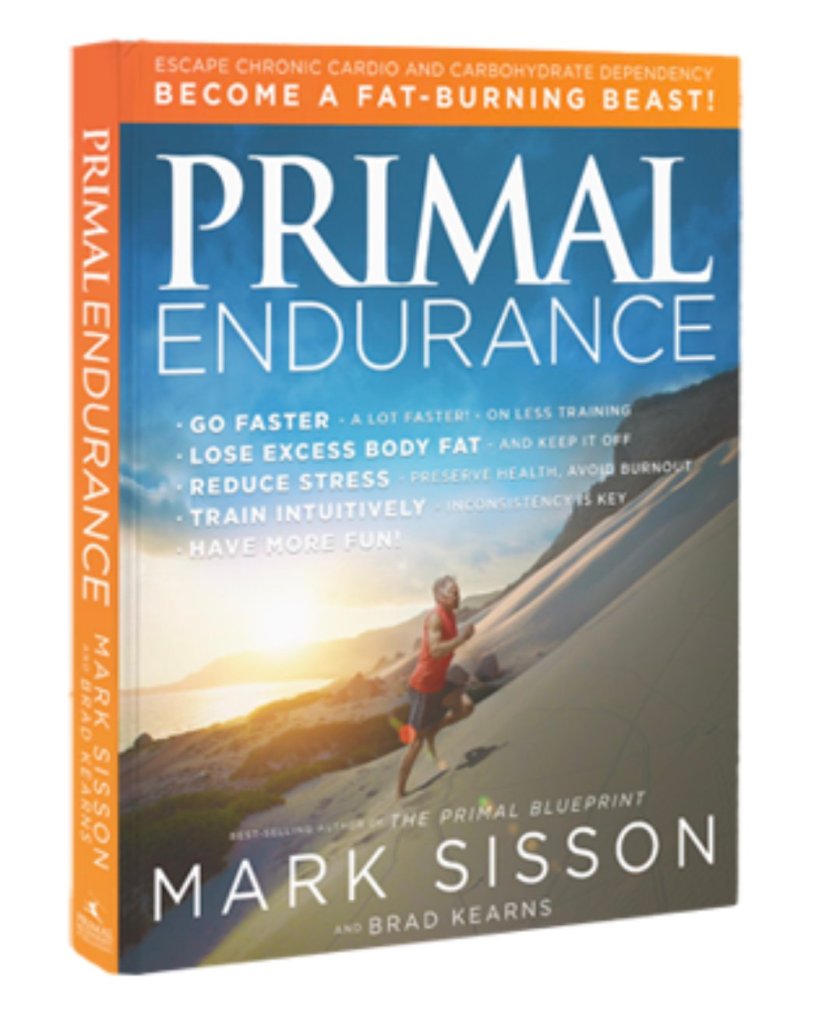
My initial gateway to this approach was Mark Sisson and Brad Kearns who collectively produced Primal Endurance “Becoming A Fat Burning Beast”. This book was a huge eye opener and gave me a sense of positiveness towards a new approach in the world of endurance training and fuel utilisation. I really gained an appreciation for some of the words that were spoken, particularly the explanation by Brad about heading out the door for a 5-6hr ride and requiring sugar hits to keep going, when you have an available fuel source to use (fat stores) ready and available if your health, fitness and aerobic system is sufficient.
So what did I do? If you know what kind of person I am, you could probably guess…hahaha but if any case, what did I do?
I jumped straight onto the band wagon and cut out carbohydrates from my diet in hopes to start burning more fat and become what is coined as a “fat adapted endurance athlete”. The results from this three month self experiment were honestly horrible. No energy throughout the day, training suffered big time and didn’t see the weight loss I had hoped.
To provide some context at this time I was a Club Manager within a top end fitness provider working and travelling 16+hrs/day. I bet some of you reading wouldn’t expect me to say this knowing how I live now and especially that I follow a fat fueled approach to my endurance training and lifestyle. But it’s true, my first attempt at this low-carb fat fueled approach was terrible, I gained little to none of the benefits I had read about and thus still needed to dive deeper into even more potential lifestyle changes.
I can tell you right now, although I felt rubbish and had lost hope, I was not going to give up, the last thing I will ever do is throw my hands in the air and go “oh well, maybe I am just meant to be like this, maybe I just meant to be this overweight and I am destined to feel tied to food and feel generally like a yo-yo for the rest of my life”. I refuse to think like this and if you aren’t happy with your outcome, it’s all you and it’s only up to you to do something about it. So I dug my heels in and kept reading, learning, implementing and assessing myself over and over again.
So what went wrong?
A few things (number 5 is my favourite).
- I was still training wrong (volume and intensity was too frequent and too high)
- Although diet was considered to be low carb, I was consuming “calorie friendly” meal replacements, shakes, bars and diet which was full of seed oils. Felt constantly inflamed (also from training intensity), couldn’t still control my appetite and satiety levels in hopes to control my intake.
- Did not realise my metabolic rate was still low from the previous diet phase (yo-yo). I felt downright depressed to be honest, because when you are already feeling like you are eating less, how do you eat “lesser than less”? On average I was consuming 900-1000cal per day it total (and WAS NOT losing weight!!!).
- I didn’t understand how fuel is utilised within the body and what can inhibit lipolysis (breakdown or “burning” of body fat, not to be mistaken with fat loss), e.g my daily stress levels, insulin resistance, food quality and training intensity.
- Carbohydrates weren’t used or timed effectively at all… which when running long distances over tough terrain with intensity levels high is not ideal. Fat adaptation, aerobic efficiency and timed carbohydrates is key. “Train low, race high”.
Among so many variables like the ones mentioned above, changing the way my body utilises energy is a timely process and not one that happens over night (or in my experience, in three months). Trying to become fat adapted and making up for the many years of high insulin producing foods, really had my metabolic flexibility in a horrible place. I was stuck burning my glycogen stores (otherwise known as sugar stores) and inevitably tied to my food schedule on a daily basis and couldn’t go past 90 minutes of exercise without needing an energy shot of sugar or food to keep me going. This made daily life a constant struggle and weight loss goals even harder (not impossible but just too hard for me).
In addition the knowledge with natural intuition it just made no sense to me, I have all this body fat sitting on me, but yet I can’t go a few hours without eating. Every time I start hitting the wall (sugar low/crash) at about the 90 minute mark in each aerobic long form session, I would need an external source of energy just to keep me upright.
Going on to learn more about fuel utilisation and specifically within different energy systems (aerobic, anaerobic, ATP/PC) while training, it dawned on me that I was potentially training too frequently and too hard to be really be supporting these initial internal changes.
My workouts were pushing me into a sugar burning zone (anaerobic), I still had the same cravings and urges to over consume food on a daily basis. My life was tied to this 3-4 hour food schedule so I didn’t run out of energy working or even just getting through the day. Weeks progress into months and I slowly realised that even the “easy” training I was doing (MAF, Maximum Aerobic Function) was actually still too stressful for the life I was leading and the poor aerobic conditioning I actually had.
Go figure right… I was a spin instructor who taught 16 classes per week with horrible fitness (specifically aerobic)….. So I decided to make my training even easier which brought about LAHR (Low aerobic heart rate), which caters for people still unable to adapt effectively from a MAF or above intensity. Training in only a lower aerobic zone, things really clicked for me, this was when I really started to understand the stress I was under due to the training, diet and life I was living.
Additionally to this dramatic change in my training volume and intensity, I had also come to the conclusion that even though I was on a “low carb” diet in purpose to become more fat adapted, I was still consuming foods that just weren’t “real food”. Majority of the diet although “low carb” and things like mentioned above, shakes, protein bars really missed the nutrient benefits as to what real food can offer (insert beef).
In essence I was calorically efficient but nutrient deficient. Go figure… I wonder why I felt like shit hahahaha. Understanding more overtime how fat is good for the body, but yet how consuming the right fats are important to get right. A reduction and eventually removal of the industrial seed oils was a big component of this and immediately caused a reduction of inflammation, energy throughout the day was stable and if I missed a meal I was fine. This for me was a revolution, to not be tied to needing to eat and every few hours not only allowed me to control my intake better and thus control body composition, but it also gave me an extra 2 hours per day of time as I wasn’t needed to stop and eat every few hours.
Imagine someone giving you an extra 1-2 hours per day, what you could do with that time is super powerful particularly for those who are busy already.
From a birds eye view, I slowed right down (like seriously slow). I took 6-12 months out of any hard training and was strictly within an intensity lower than MAF. Restricted total carbohydrates (mostly removal of refined carbohydrates) to an individual level suited to me and my hunger. Now my diet consists of mostly meat and time carbohydrates like fruit.
Satiety levels are up from the natural animal fats and protein, and with this I could dictate when I would eat rather than “needing to eat”.
While this approach does not suit all individuals (and I certainly don’t coach everyone with the same brush), I feel if you are a busy person with weight issues, endurance goals, experiences with yo-yo dieting (famine reaction), inability to control hunger and cravings, unstable energy levels throughout the day, tied to your meal schedule and more, becoming healthier through diet to better burn the fat sitting on you is a huge weight lifted off your shoulders.
So as a result of eating this way, what happened?
I became primarily fat fuelled.
My cravings….gone.
My urge to eat….gone.
My excess fat……gone.
My training volume…..increased.
My running, cycling and swimming pace…..increased (at the same rate of effort).
When running for long distances at high effort, I rely less on total calories/carbs per hour (as a large component will come from body fat within time spent in my aerobic zone) and run less risk of gut distress from needing to fuel with more dietary energy intake. This does not mean I do not utilise carbohydrates, they are just timed appropriately and can be used even more effectively by my body.
My long form sessions which can be 10 plus hours long can be entirely fueled with…..my own body fat. In fact, just as one example I have even completed the entire OXFAM 100km Trail Walker completely fasted. From dinner at 7pm the Thursday evening before, until Saturday 7pm after with a 100km’s hike and 48 hours standing between the dietary energy intake.

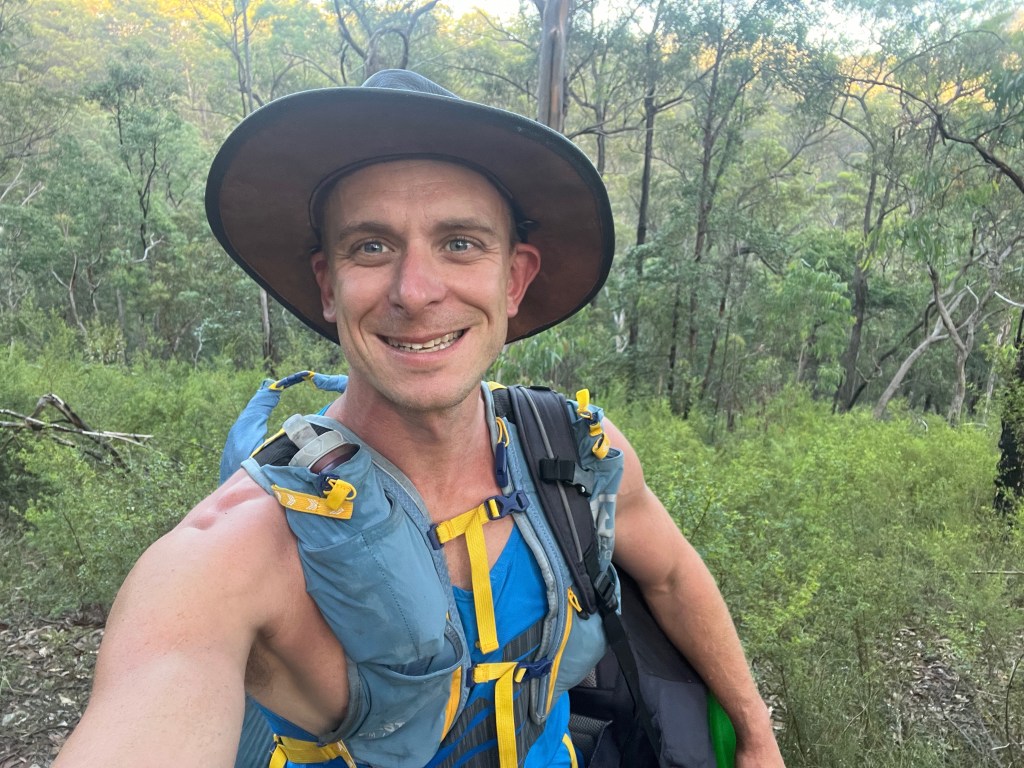
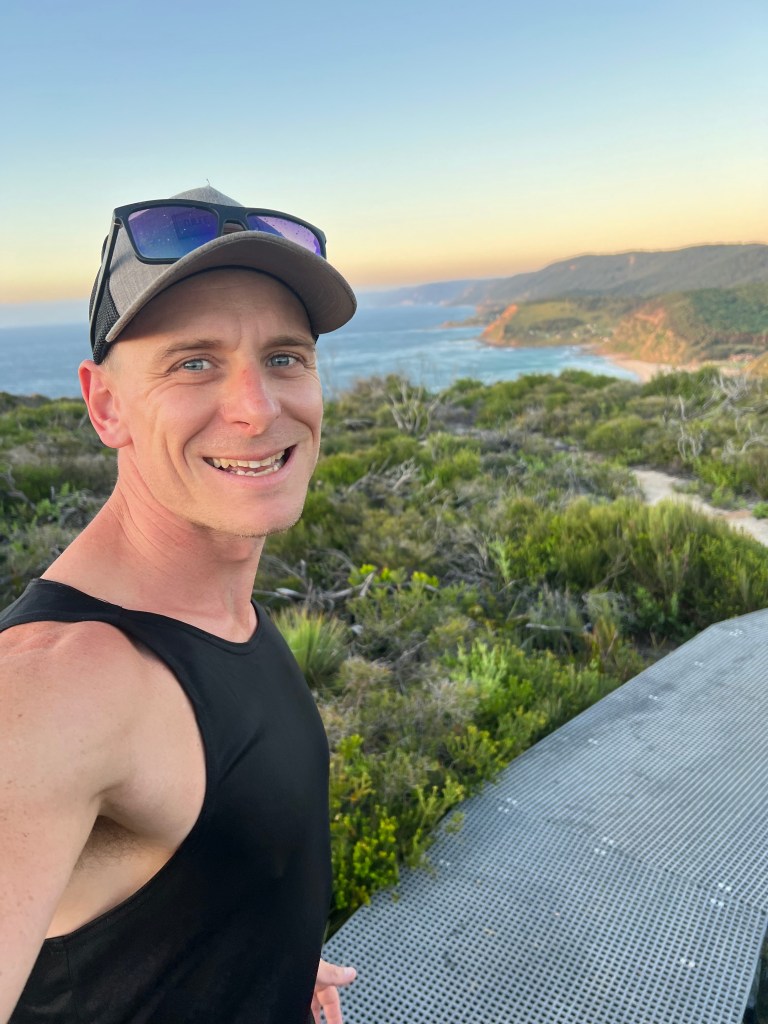


My MAF test for 60min went from 5.8km/hr in 2016 to now 2023 12.6km/hr……performance increased at the same rate of effort and all fat fueled. You may think this is a good performance increase, but the single most important factor is my stress response is the same. I am travelling 6.8km further every hour with the same stress response to the body. No chronic soreness, little to no potential for burnout and completely in control of my aerobic progression, which for endurance training is the number one key.
Now for some people whom are very insulin sensitive, never yo-yo their weight, in control of body fat levels, in control of stress, in control of satiety and food intake and has never experienced the famine reaction before, can definitely get by and even thrive without the need to remove/reduce carbohydrates.
For me this just did not work unless I was relying on will power and discipline to tracking my food meticulously, which you can’t expect to track your food perfectly all day for the rest of your life (it’s great to start with but inevitably has it’s end date). The “everything in moderation” dogma had me spinning wheels for many years allowing my junk food and sugar craving to always get the better of me. I wouldn’t even think about the quality of the food because “the only thing that matters is calories”, I would eat “calories” and burn “calories”.
Ever get trapped in this cycle?
In my opinion, if I can control my appetite, body composition, have stable energy throughout the day and support my training performance, I am a happy guy.
If you are someone training for a triathlon and/or marathon but yet carrying excess body fat, becoming more metabolically flexible is a great tool that in essence provides you with stable energy throughout the day through your own stored fat fuels. With a sufficient aerobic base and fat adapted approach, I have no more sugar crashes, no more cravings, no more urges to overeat from the big long training sessions and no longer tied to this “eat less and move more” paradigm, because when you train for hours per week on top of your already busy schedule, how can you possibly have time to move more than an endurance program….?
I wonder if any of you have experienced something similar, comment below if anything resonates with you?


Scroll below to read what our clients say.
David Bax
“I engaged Nathan out of pure frustration. After coming across his social media posts it was as if he was speaking directly to me. I had been weightlifting for 5 years, trying fad diet after fad diet (keto, mediterranean, caveman, intermittent fasting) and my weight hadn’t dropped but increased over time.
I was burnt out, exhausted and hungry! I believed at the time the answer was to eat less and train more. A husband, father and a full time working professional I was struggling juggling my rigorous training schedule, eating windows and family and professional commitments. The truth is no-one was getting the best version of me.
I was shocked when Nathan’s first task for me was to eat more and train less. Having tried it all on my own I simply relinquished control and did exactly what he asked of me.
I actually lost 4kg while eating double what I had and training half the amount of time.
Over the next 12 months I lost 25kg and went from 88kg to 63kg. At 31 years of age this was lighter than I was at 18! Not only did the weight come off, my fitness improved dramatically. I genuinely have a new lease on life due to Nathan’s coaching.
I’ve now been with Nathan for over 2 years. Once I achieved my dream body comp I naturally wanted to push what I was capable of. Enter Nathan’s love for all things endurance and physically demanding. My coaching relationship with Nath transformed from fat loss into performance coaching. I fell in love with trail running, 15 months ago I couldn’t run 10k.
I completed my first 50k trail running event in December last year, all with the weekly guidance and mentorship of Nathan.
The thing I love about Nathan is that no matter what issue I am facing (dietary, training, injury, mindset) he’s been there, has real world experience and provides strategies tools and the right words of wisdom to allow me to move forward. He’s personable, relatable and his training style is not as a drill sergeant rather an advocate and trusted advisor in my fitness / lifestyle goals. (He does give me a kick up the ass when required though!)
Taking control of my health & fitness has positively impacted every other area of my life.
I’ve referred several people to Nathan and they’ve all achieved the results they were after.
I’ll be a client for life and if you’re on the fence all I can say is sign up. There’s nothing to lose and a whole new life to gain.
It sounds cliche but reaching out to Nathan saved my life.“


 MorrFit Health and Performance ADVENTURES
Leave a comment