

There’s only so much training you can do in a week
Training matters. I spend a big part of every week on coaching calls helping people understand that the right training, done consistently, is what moves them forward. That part doesn’t change.
But there’s a ceiling on how much of it anyone can realistically do. Most people hit it sooner than they expect.
- Time. Work, kids, partners, mates, sleep. The week is only so big, and training has to fit around all of it.
- What your body can handle right now. More isn’t always better. Pile on sessions before your body is ready and you end up sore, flat or injured, and then you’re doing less, not more.
- How much you actually want it. Motivation is real and it runs out. A plan you dread is a plan you’ll stop doing.
Once you’re training close to that ceiling, adding more usually isn’t the answer. So what is?
What a busy week really looks like
Cathy is a good example. Mum of two, working, running a household, and in 2023 she finished the UTA50 in under eight hours, with around 2,500 metres of climbing.
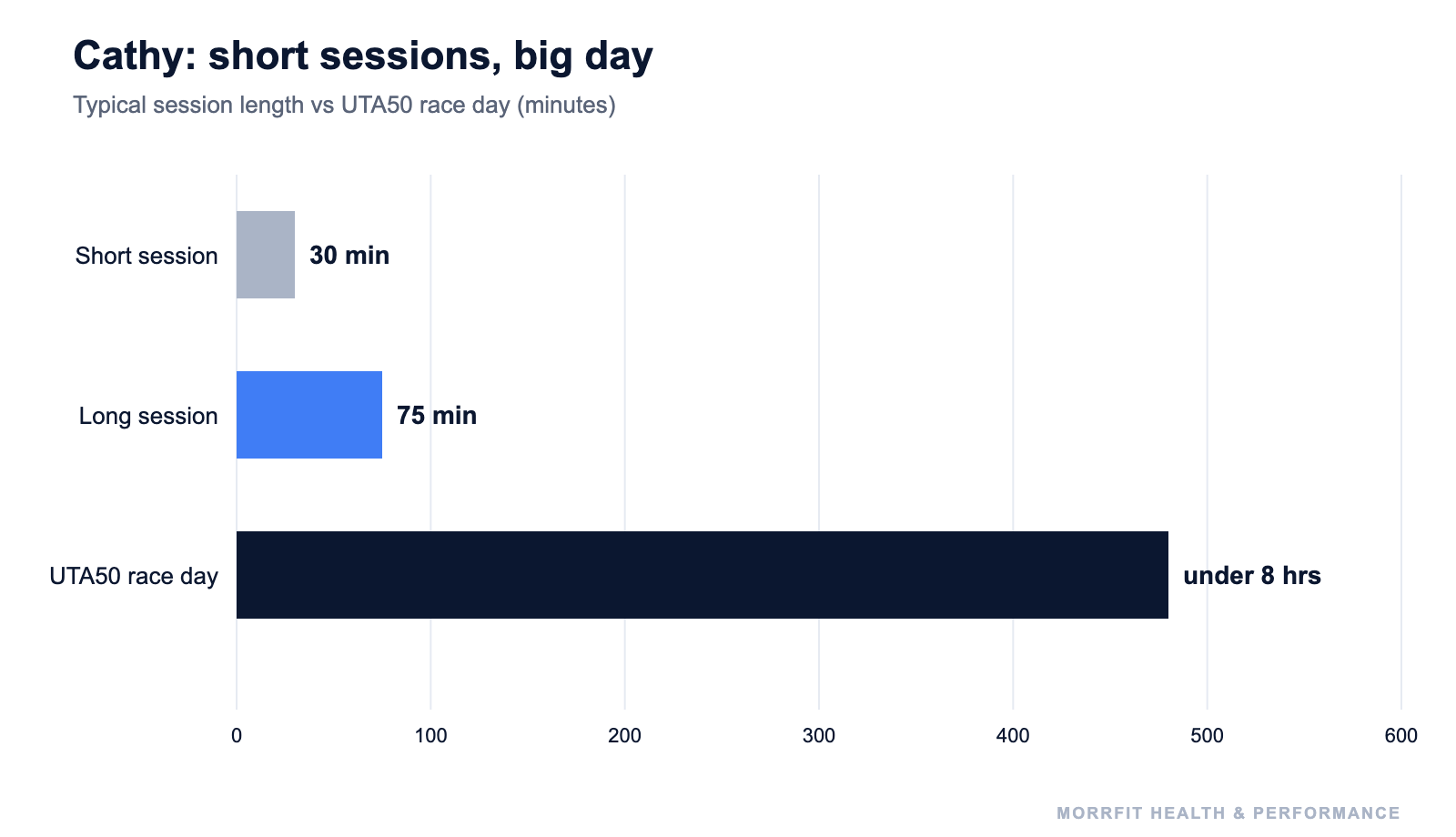
She didn’t get there with huge weeks. Most of her sessions sat in the 30 to 75 minute range, fitted around everything else going on. When she couldn’t get her weekday sessions done, she moved her weekend plans around rather than skipping them.
That’s what training near the ceiling looks like for most people. Every session counts, because there isn’t room for many more.
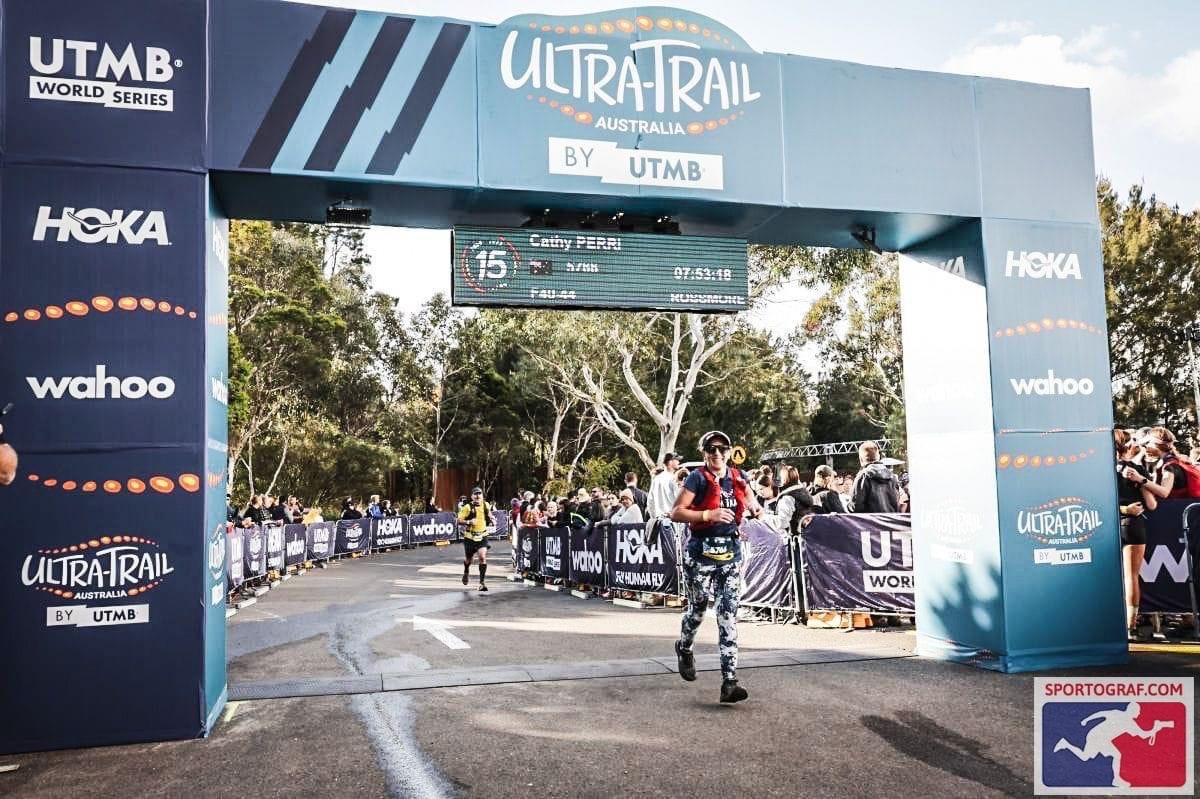
My knowledge of training and nutrition has definitely increased dramatically.
Cathy UTA50, a 24 hour track race and an 80km ultra
Read her full story, including how she trained for the UTA50 around a very full life.
Read Cathy’s storyA few of her sessions
- Easy treadmill run. 3.5km at MAF +5, then 5 rounds of 5 minutes at 15% incline, with 2 minutes rest between.
- Strength double day. Back squats and goblet squats, finished with 10 x 1 minute hard on the stepper. Later that day, an easy 5km run and walk.
- Aerobic hill work. 45 minutes at 15% incline at MAF +5, then 10 x 1 minute efforts.
- Long run. 21km of trail with 800m of climbing, saved for the final weeks.
Training fits in a box
Here’s something I talk about on calls all the time. Training is easy to compartmentalise.
It has a start and a finish. It’s in the calendar. You get changed, you head to the gym or out the door, you do the session that’s written down for you, you go home and have a shower. Done. For most people that’s somewhere between three and seven hours a week.
There are 168 hours in a week. Even a solid training week is only a small slice of them.
Training also comes with a lot of help built in. There’s a program, there’s a coach checking in, there’s a watch telling you how far you went. You feel the work straight away. You sweat, you’re tired, you can see it on Strava. It feels like progress, because it is.
Nutrition comes home with you
Nutrition doesn’t get a box. It’s with you every day, every few hours.
Three meals and a couple of snacks a day is 35 decisions a week. Each one gets made somewhere different. At your desk, in the car, at a kids’ party, at 8pm when you’re tired and the fridge is right there.
There’s no session written down for most of those moments. Nobody is checking in. And the feedback is slow. One good day of eating doesn’t show up on the scales or in your running. One bad day doesn’t either. It’s only weeks later that you see where it was heading.
That’s why nutrition is arguably the hardest part to get right. It’s also the part that decides whether all that training actually shows.
Seeing the work pay off
There are two places this shows up more than anywhere else.
- Showing off the muscle you’ve built. You can do the strength work for months, but if your eating doesn’t support it, the muscle stays hidden. Enough protein to recover, and bringing body fat down slowly, is what lets people actually see the work.
- Moving faster for less effort. Running is a power to weight sport. The same fitness carrying less body weight costs less to move, and you feel it on every hill.
This is something I do myself. I’ll routinely weigh in lighter for a running event than I do through the rest of my training, for exactly this reason. Same engine, less to carry, and over a long course with plenty of climbing that adds up.
Dave: lighter first, then faster
Dave started with me in early 2019 at around 97kg. We didn’t start with a big training plan. We started with food. He was eating well, just a lot more than his body was using, so we tidied up portions and tracked what was going on his plate. Apart from walking and golf, that was it.
Over about five months he dropped close to 9kg. Then we built the training around it.
- Mostly aerobic riding. Easy heart rate work through the week and one longer ride on the weekend, building from 40km rides to 100km and beyond.
- A bit of strength. Short sessions to keep his knees and hips happy as the kilometres went up.
- Fuel testing on long rides. Working out how much to eat and drink per hour before it mattered on the day.
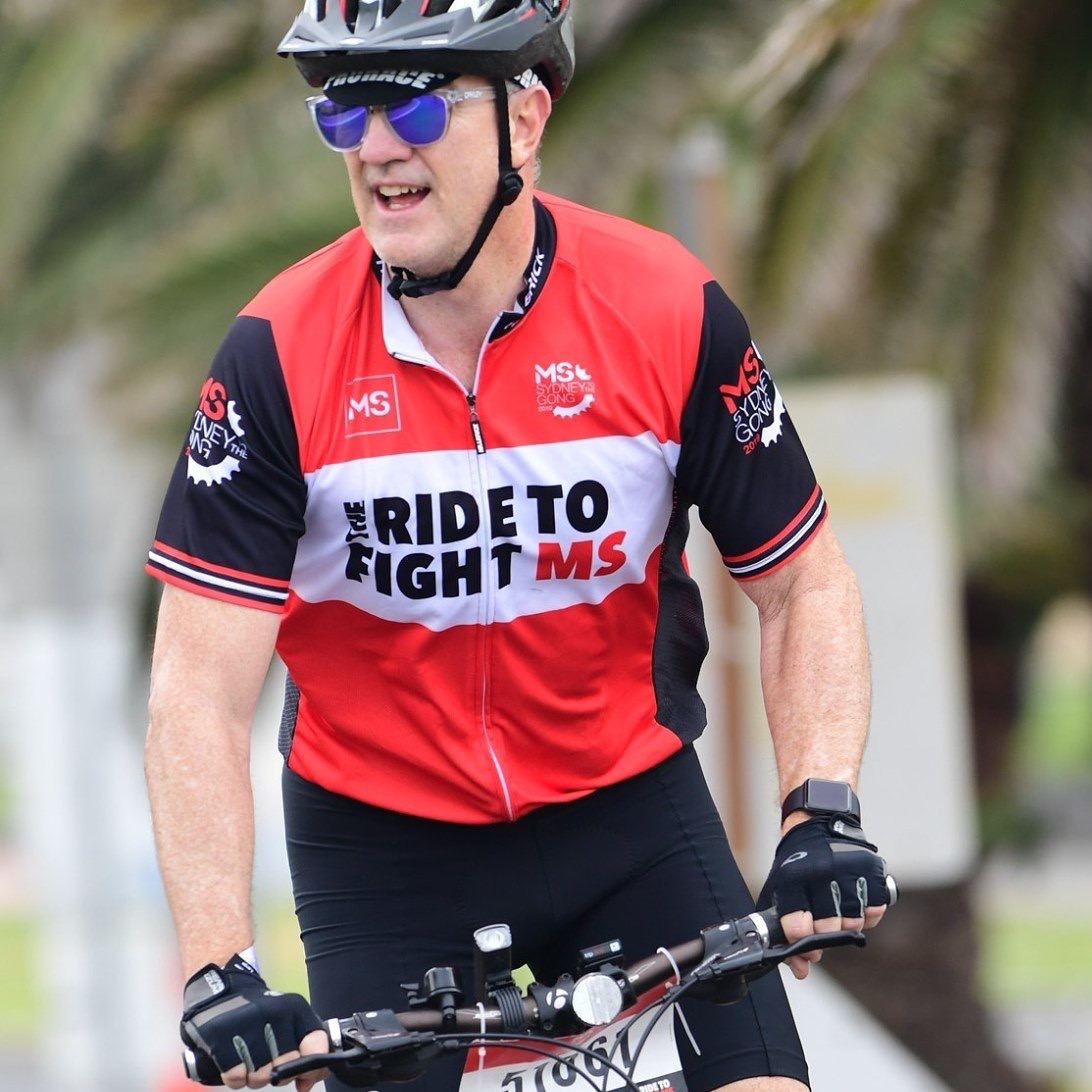
What lighter actually looked like on the bike
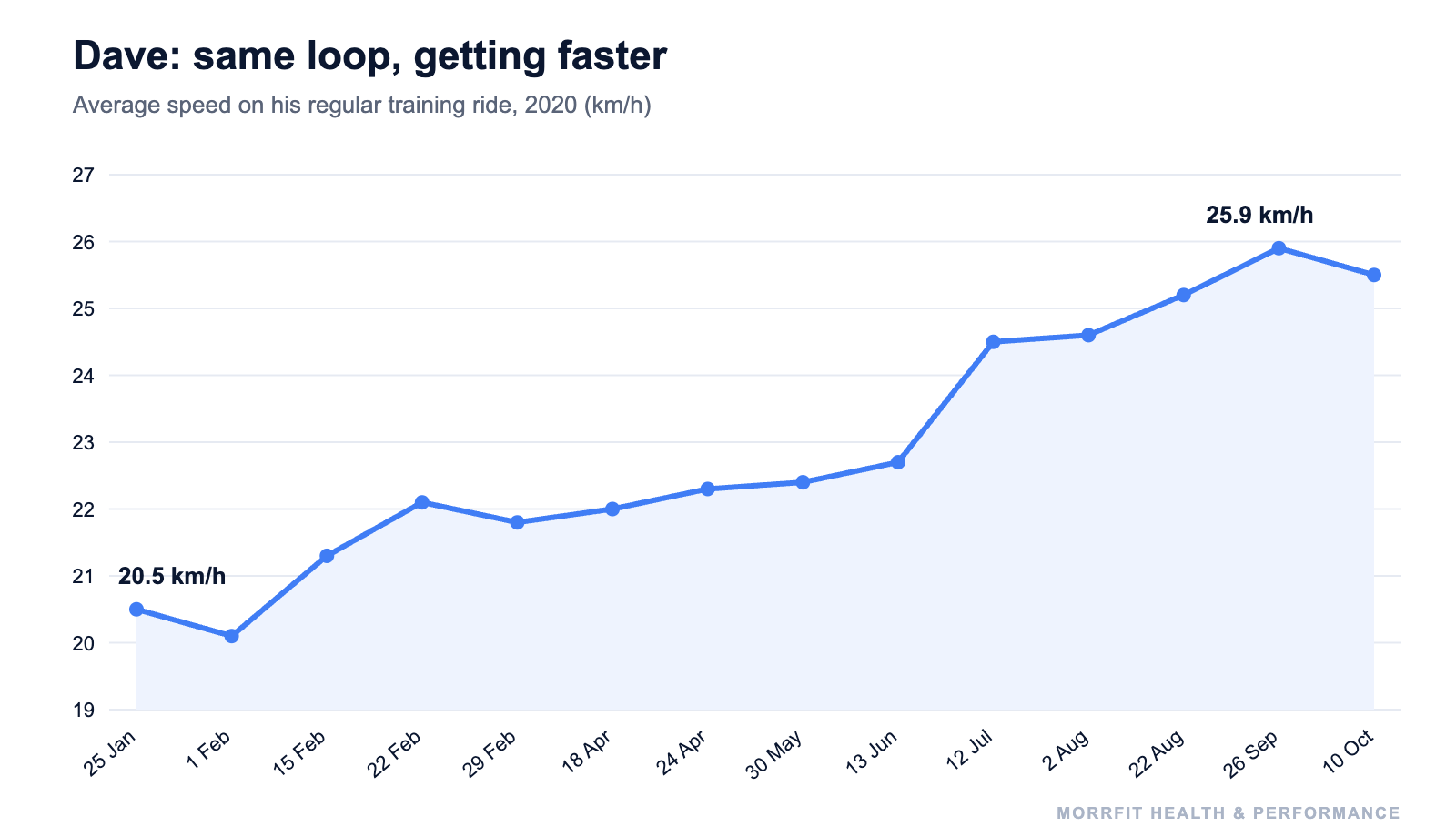
Dave rode the same training loop again and again, which made it easy to track. Through 2020 his average speed went from about 20.5km/h to nearly 26km/h, and the rides were getting longer, not shorter. That’s roughly 25% faster.
From there he rode 165km in a single day, then the Mudgee Classic, 170km of hills averaging 23.6km/h.
The part I’m proudest of is what didn’t happen. His weight sat steady for the next 18 months while his training went up a long way. He didn’t lose the weight and find it again. He kept it off and used it.
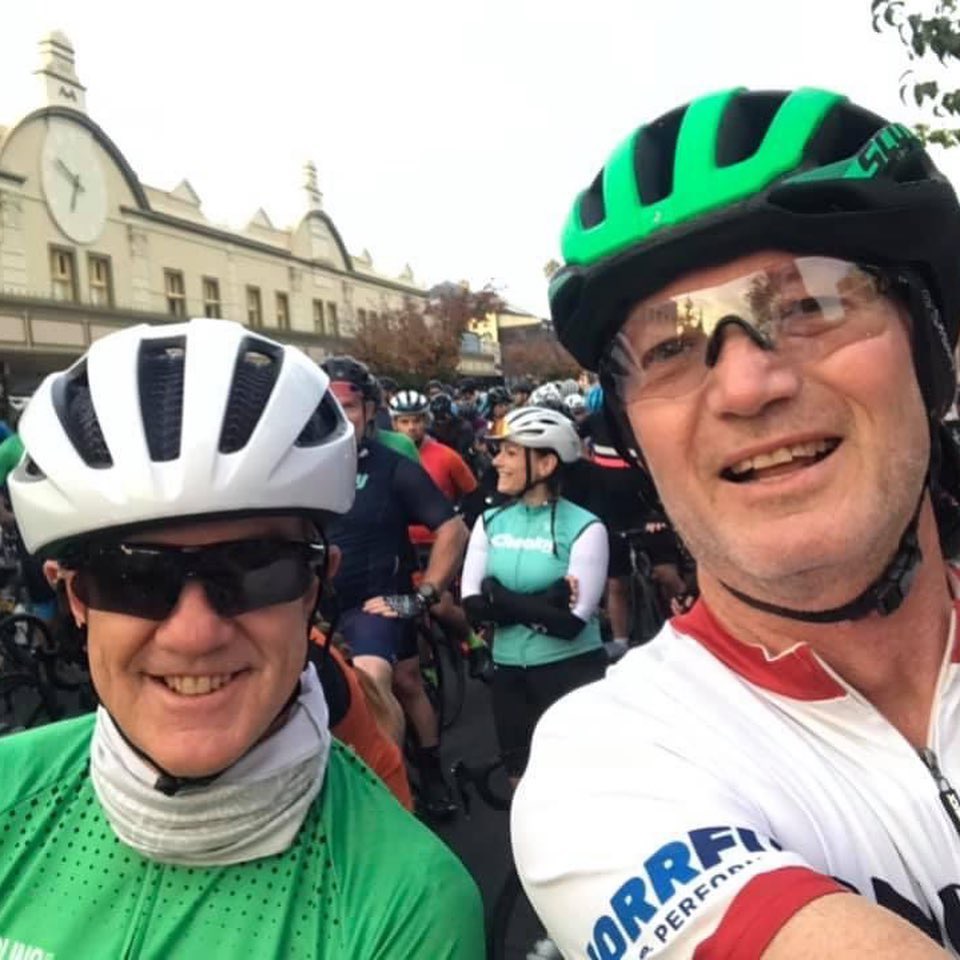
A few of his sessions
- Easy indoor ride. 45 to 75 minutes at a low aerobic heart rate, plus 15 to 20 minutes of stretching.
- Aerobic intervals. 15 minutes easy, then 5 rounds held 20 beats above his easy heart rate.
- Weekend ride. 60km split into 20km easy, 20km slightly hard and 20km easy.
- Knee friendly strength. 7 rounds of slow static lunges, 12 a leg, with 90 seconds rest.
The other side of Dave’s story
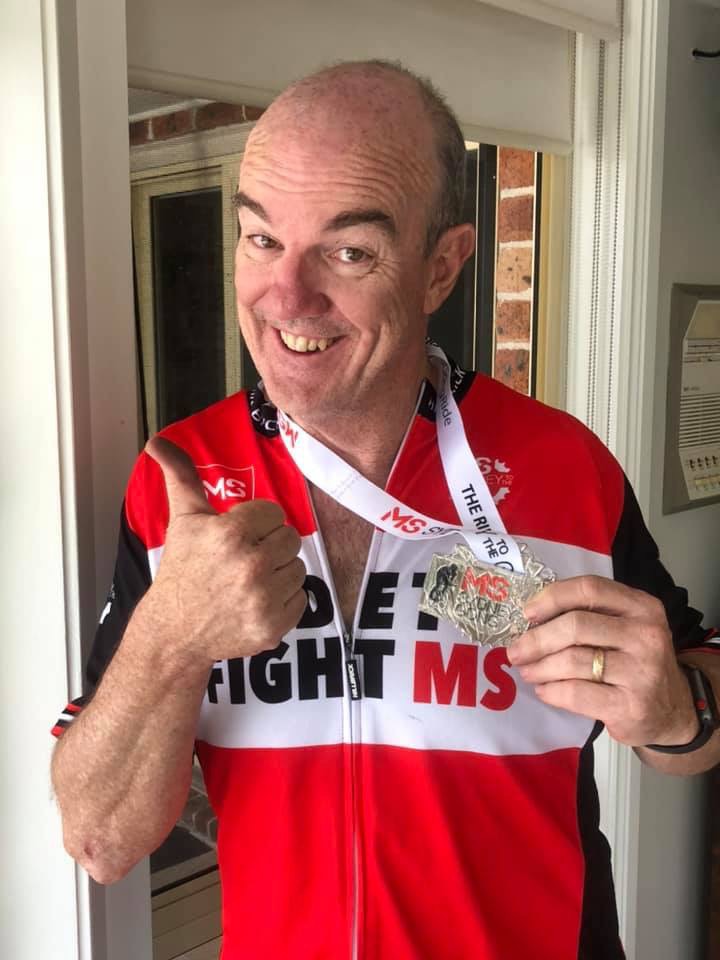
Dave also shows why eating less isn’t the whole answer. Some of his biggest days were ridden on less food than the ride needed. After one long event, his own note in his training log was “potential energy deficit”. He’d stopped short of the finish.
Being lighter is what made him faster. Eating enough is what gets you to the end of a long day.
What a few kilos actually does
This isn’t just a feeling on race day. Researchers have tested it by having runners carry extra weight and measuring what changes.
In a well known study, Cureton and colleagues added weight to recreational runners’ trunks. For every 1% of body weight added, runners covered about 18 metres less in a 12 minute run, and their aerobic capacity relative to their weight dropped too. The researchers concluded that extra fat weight directly affects distance running performance.
A more recent pilot study from the University of North Alabama (2022) had 16 recreational runners complete a 10km run with and without a 2.4kg weighted garment on their trunk. They held close to the same pace, but their heart rate was about 8 beats higher over the second half, the run felt harder, and their running economy got worse in the lab.
Put that in real terms. For a 75kg runner, 3 to 5kg is around 4 to 7% of body weight. Going off those numbers, that’s roughly 70 to 120 metres further in the same 12 minutes, or the same pace at a lower heart rate. Over a half marathon or a long trail race, that can add up to minutes.
One honest note. Most of this research adds weight to runners rather than taking it away, because that’s the cleanest way to test it. The logic runs both ways though. Carry less, and the same engine has less to move. It only works when what comes off is body fat, not muscle or fuel.
Lighter, not empty
None of this means eating as little as possible. That’s usually where it goes wrong.
Cut too hard and you lose the energy to train well, recover, or even want to. Climbing back out of a deep deficit without the weight coming back is slow, hard work. I’d always rather someone eats enough to fuel their training and lets the change come gradually.
The goal is for food to support the training, not fight it.
Sue: lighter, then fuelled back up
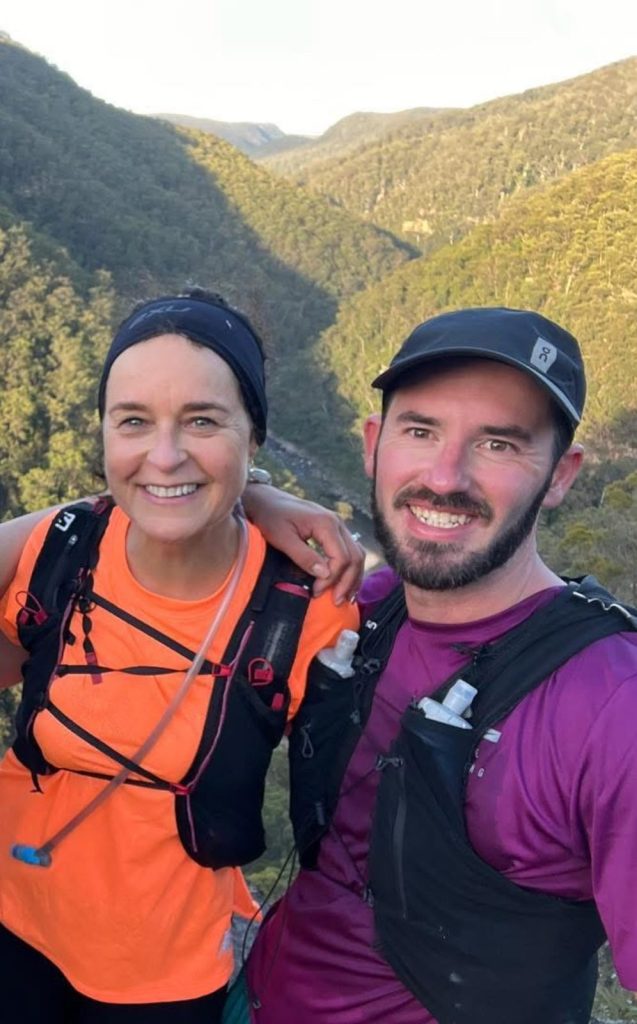
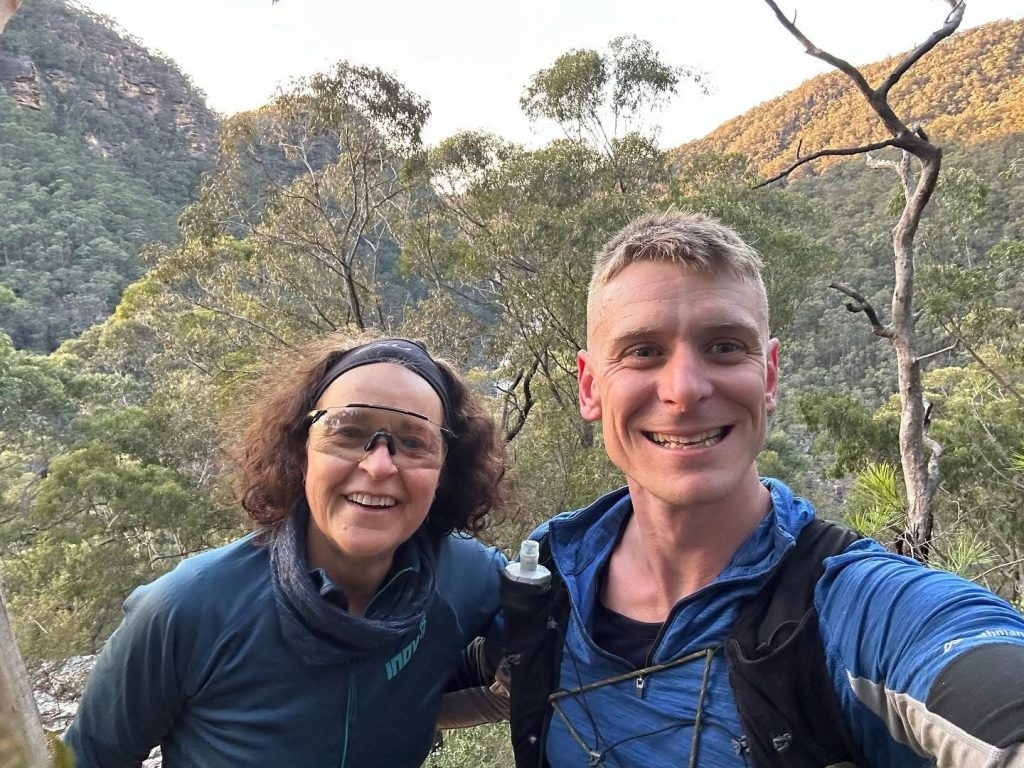
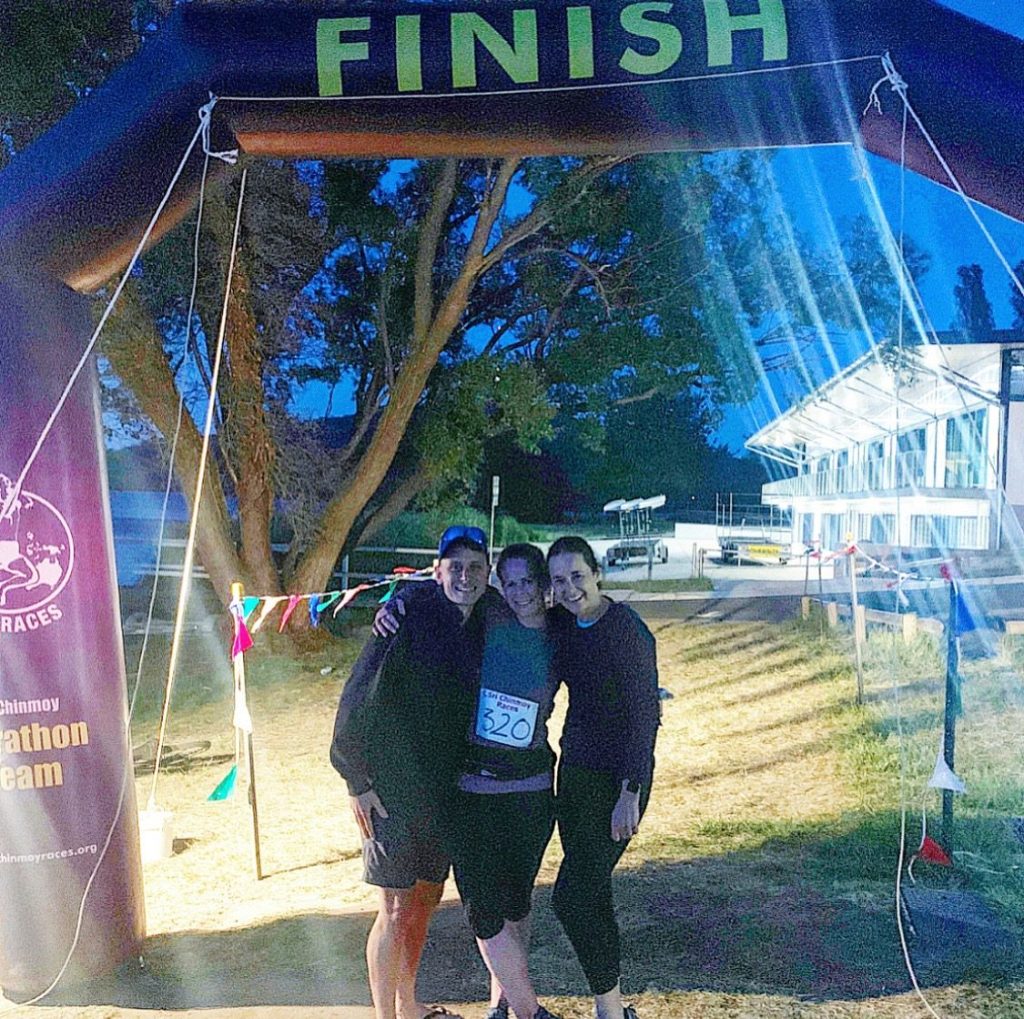
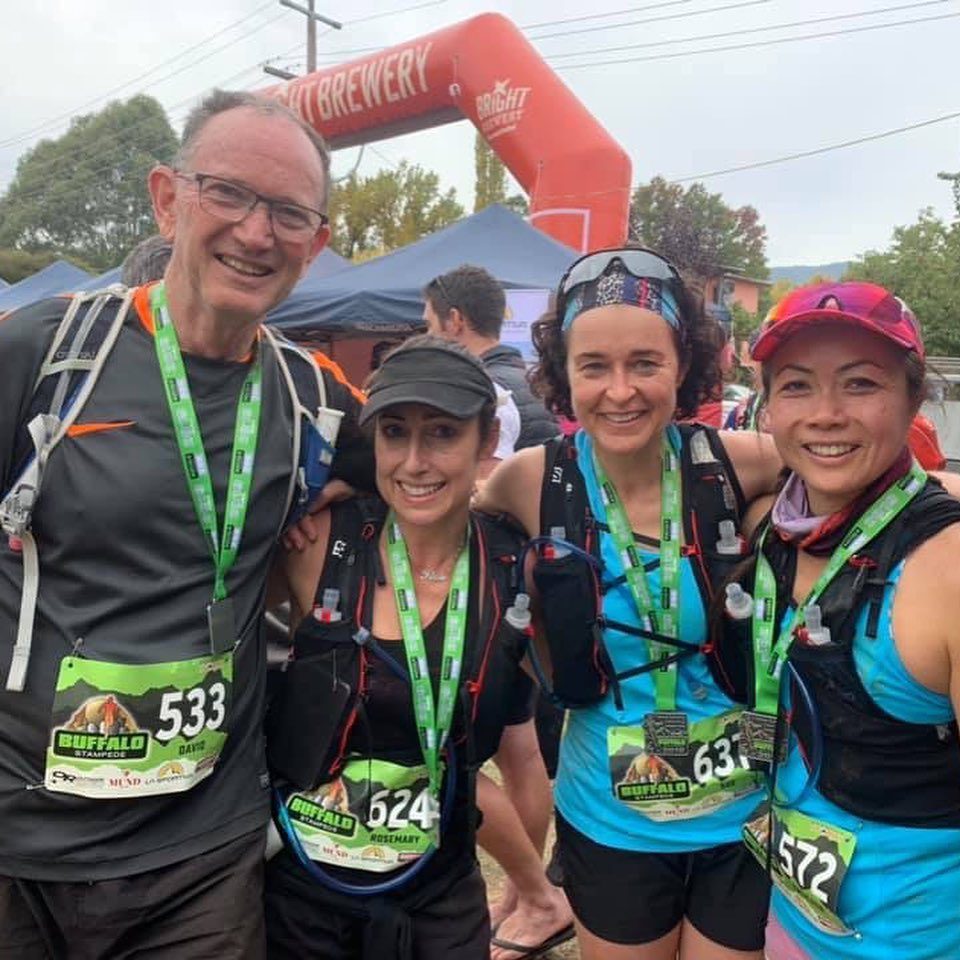
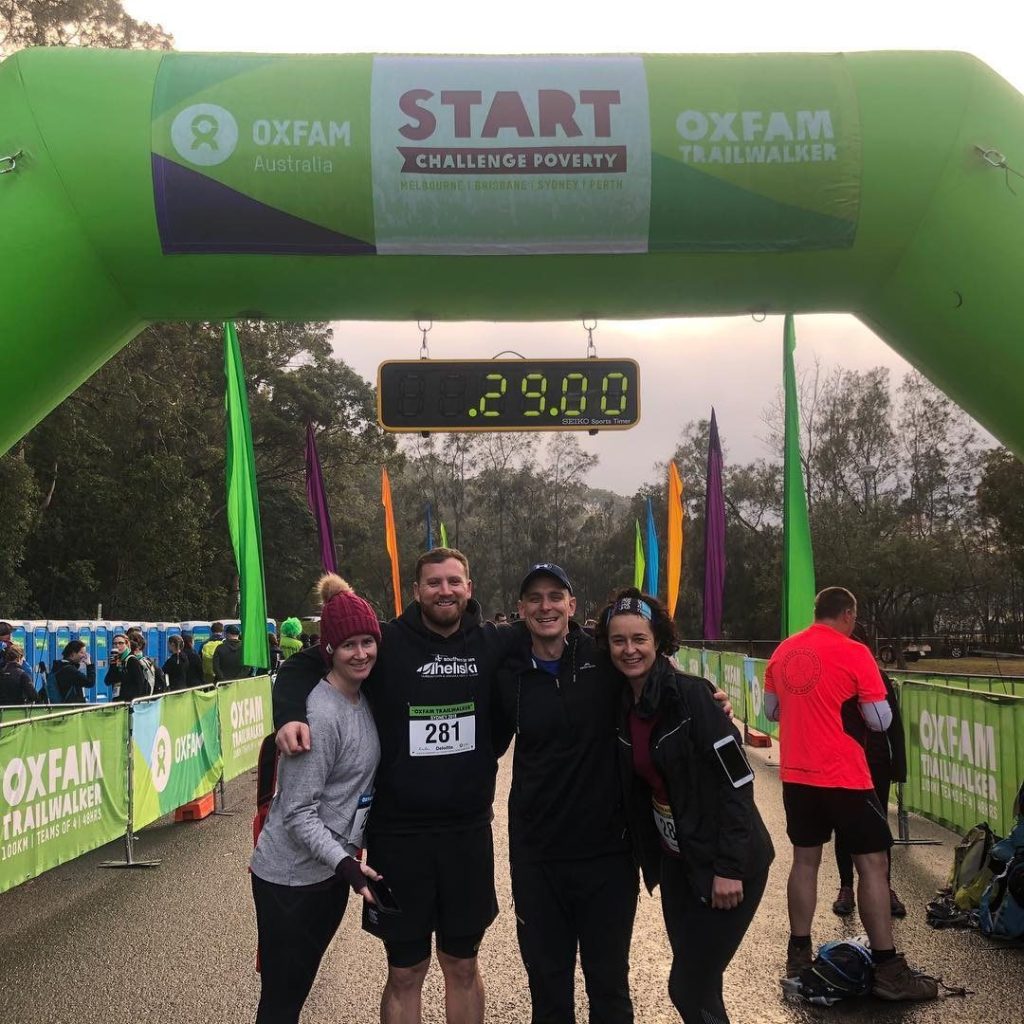
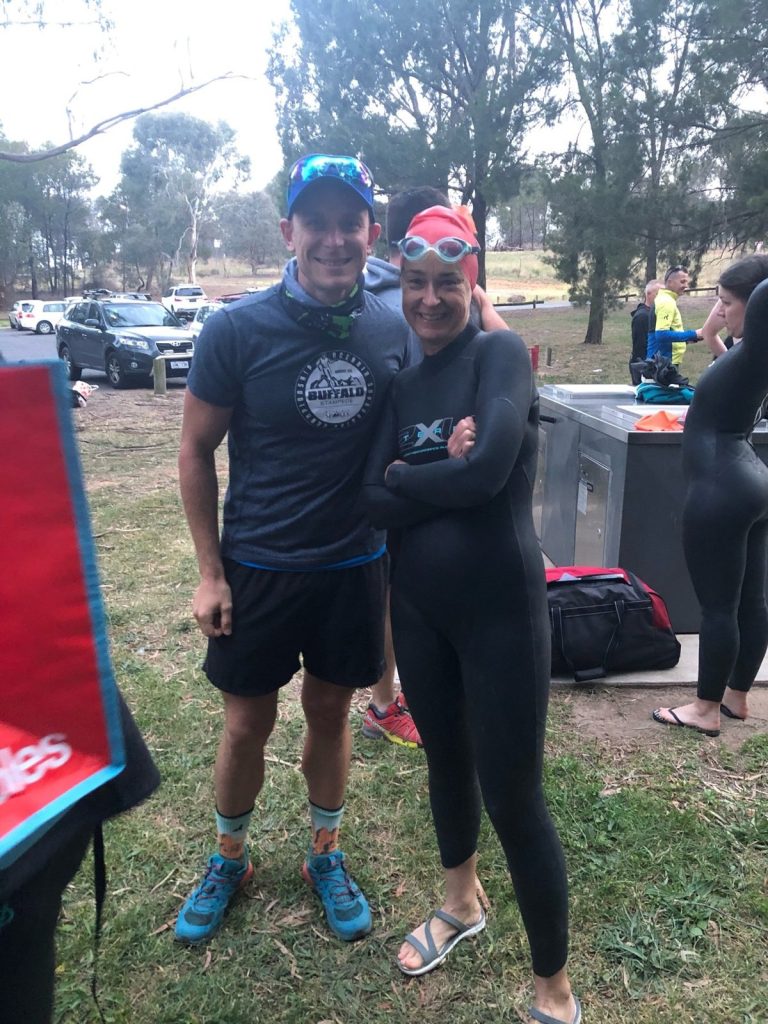
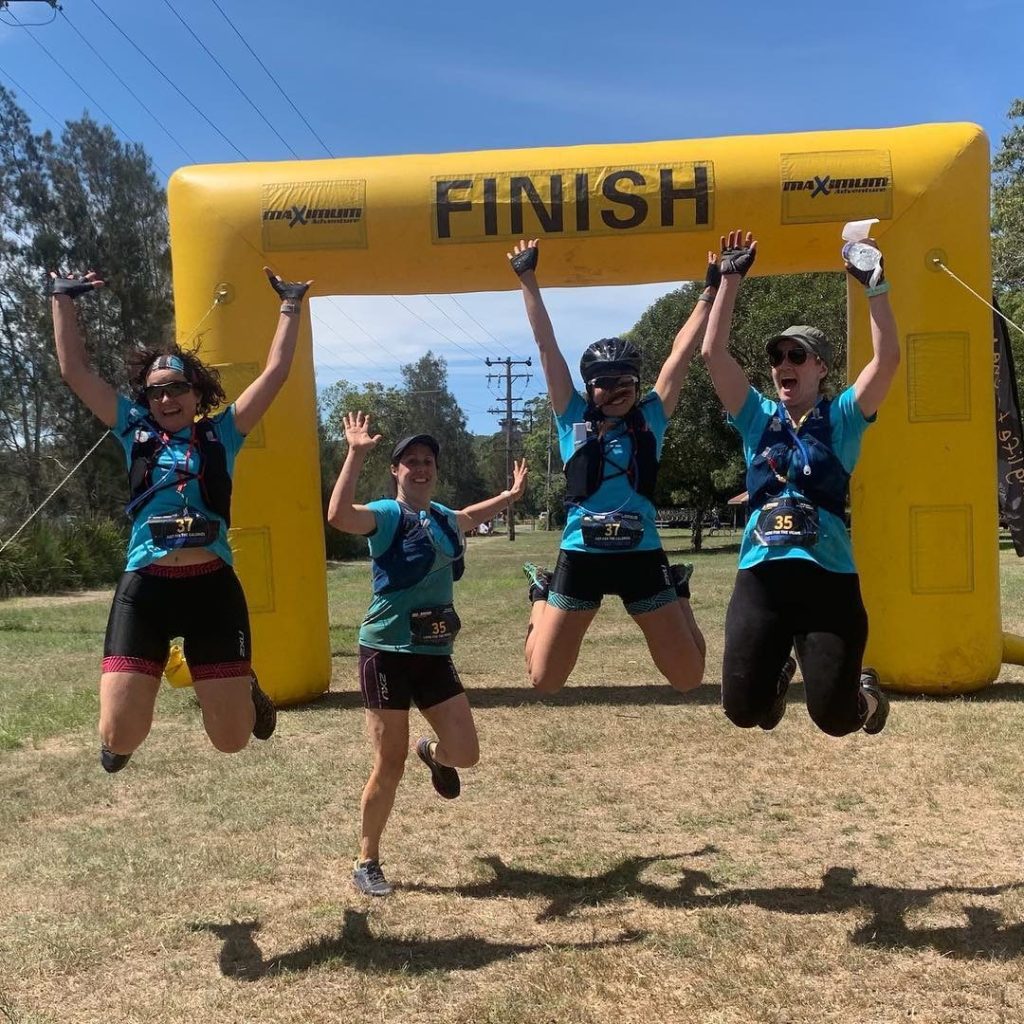
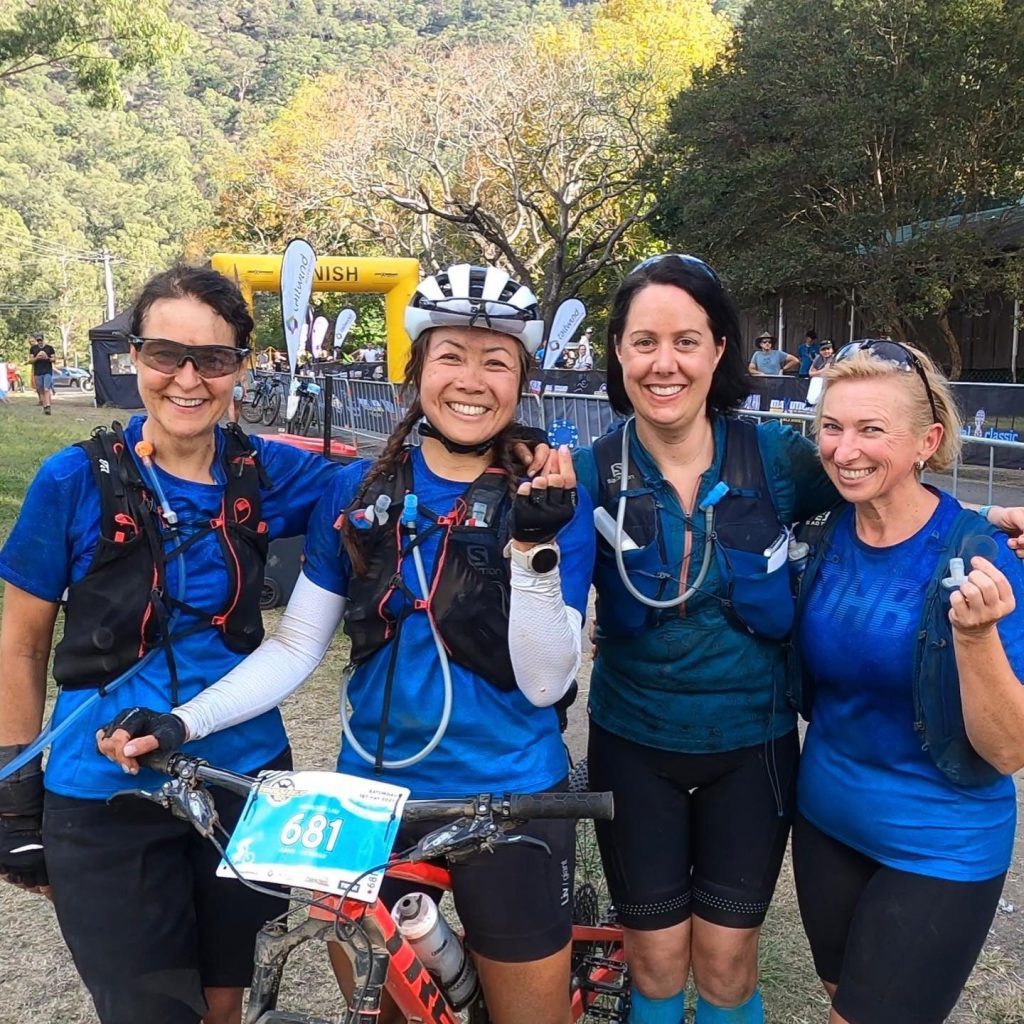
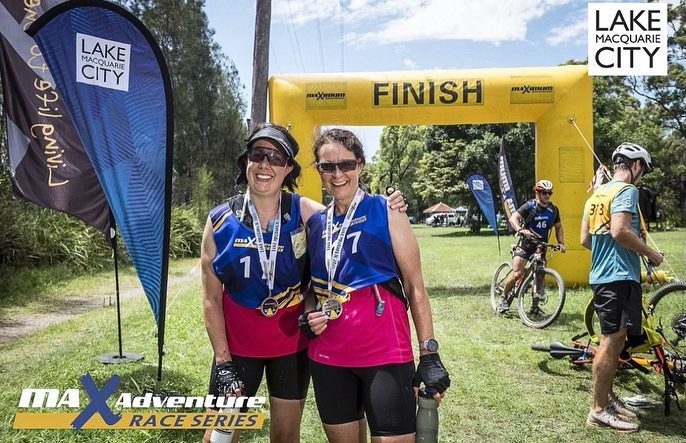
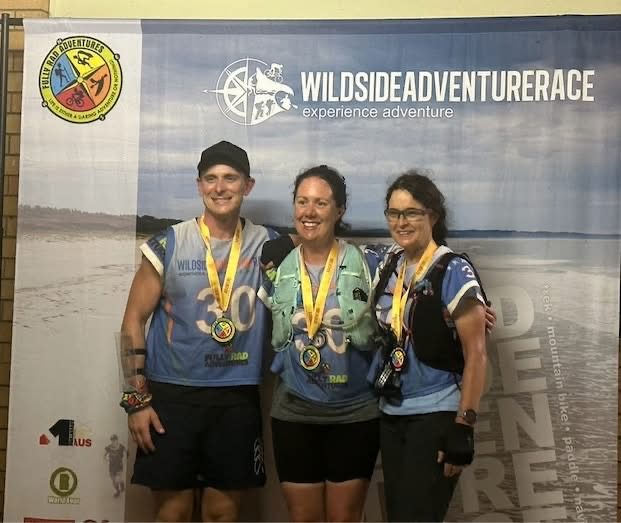
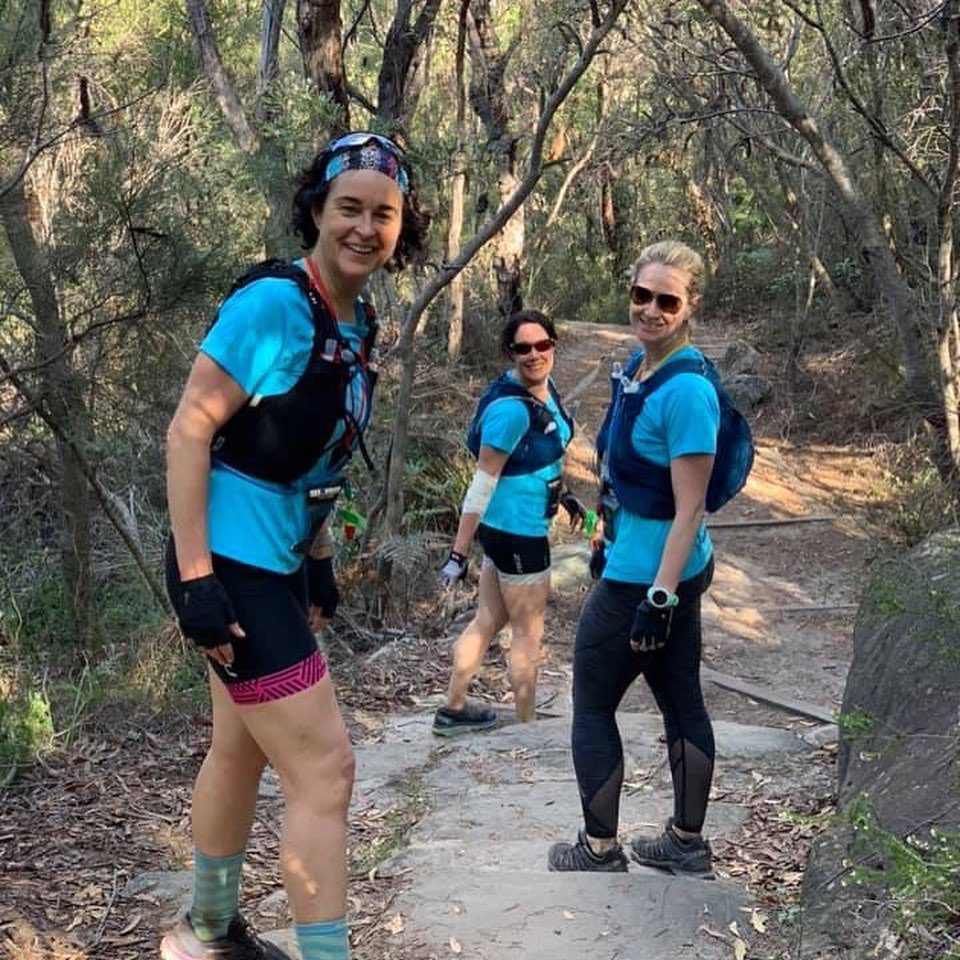
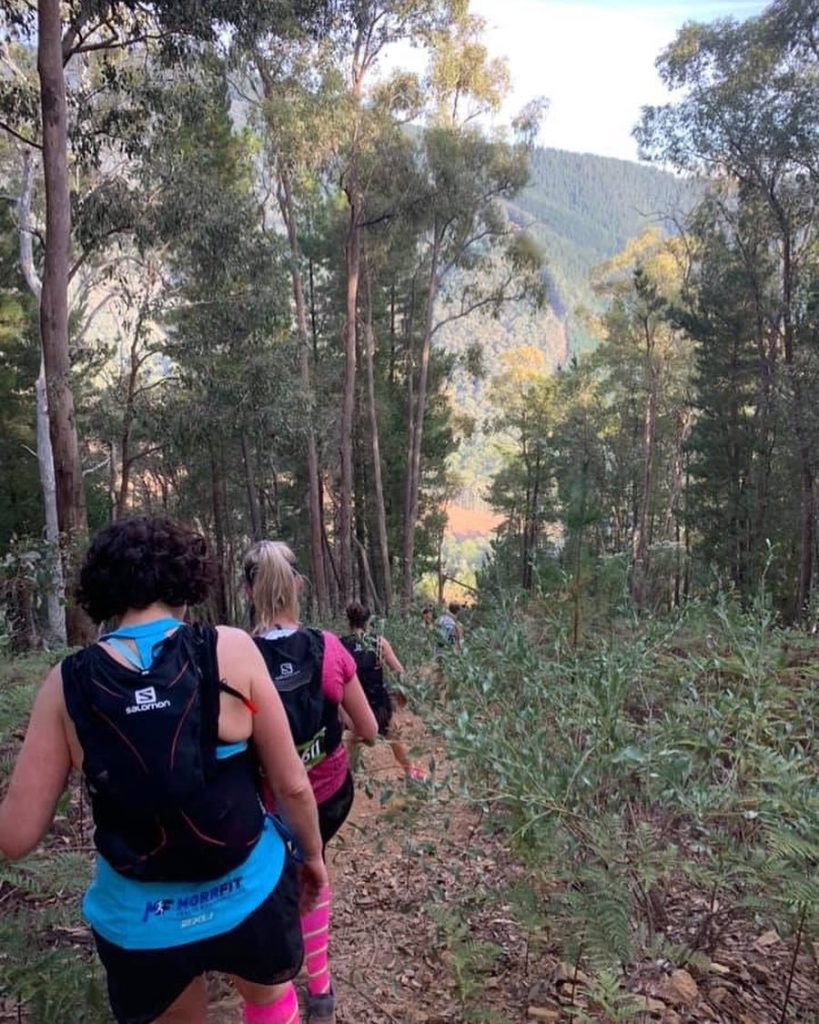
I’ve coached Sue for around ten years. She races the long stuff: 24 and 48 hour adventure races and rogaines, where you run, ride, paddle and navigate through the night.
By 2025 her training week was full. More hours weren’t really on the table, so food was where we had room to move.
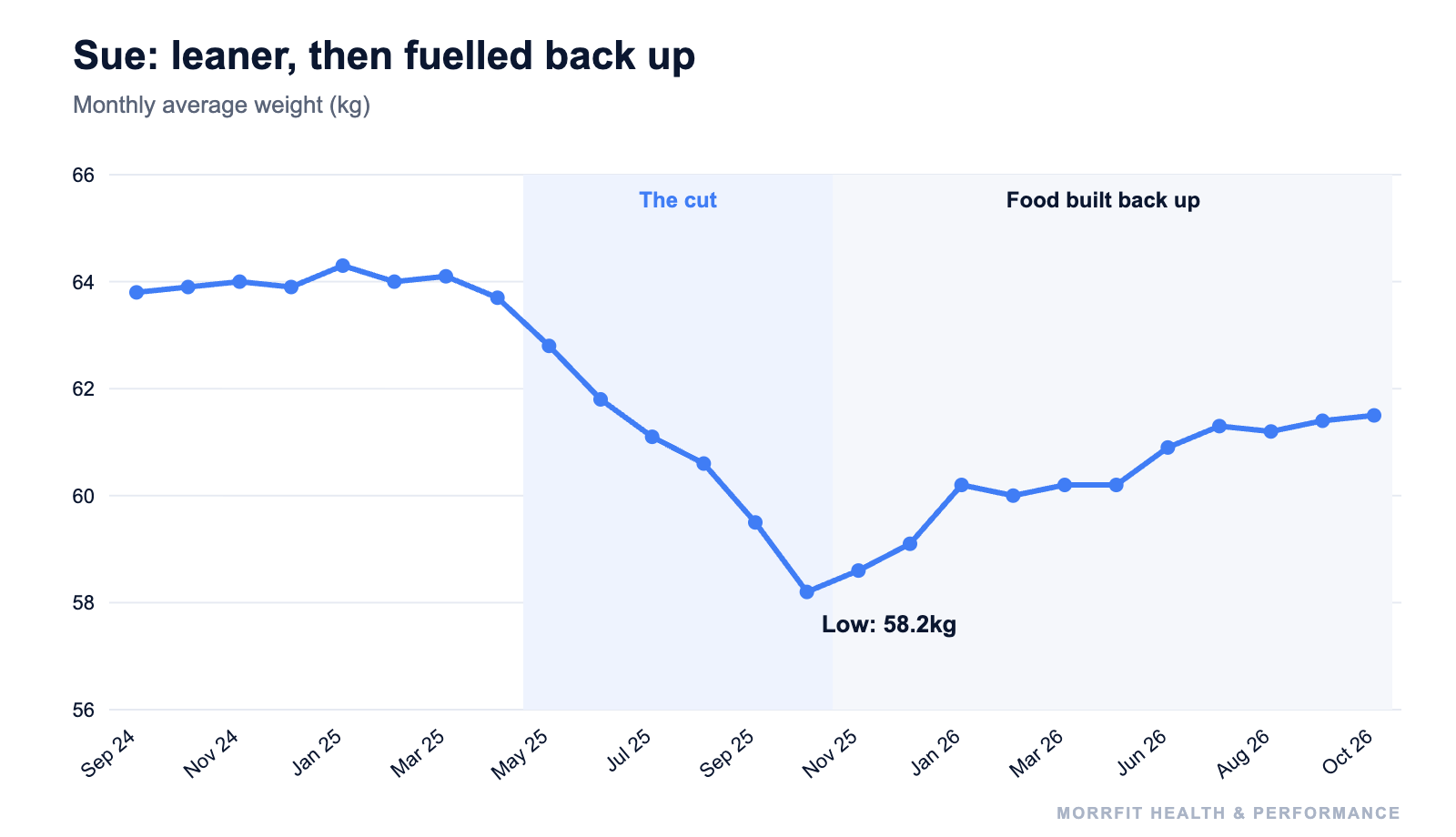
Sue has logged her food with me for years. Through late 2024 and early 2025 we didn’t cut anything. We nudged her calories up a little at a time while her weight held at around 64kg, so she went into the next phase well fed.
Around Terra Nova and Convict 100 in autumn 2025, we brought her intake down, gently. Over about six months she went from around 64kg to 57.7kg, roughly a quarter to half a kilo a week. She raced a 24 hour adventure race in the middle of it.
Then came the part most people skip. We built her food back up, a little at a time, for a full year. She now eats more than she did during the cut, and her weight has settled at around 61.5kg.

The training kept getting harder
The scales were only part of it. Through all of this, her training kept moving forward.
- On the bike, her interval targets have climbed from the 130 to 160 watt range in 2024 to 220 watts and up this year.
- On the hills, easy incline walks turned into hard threshold sessions at 15% incline with a 5kg pack.
- On foot, this year we added structured running. She started with gentle jogs at 7km/hr and is now doing 4 minute runs at 9.5km/hr.
She’s still training around a full life. What changed is that her food now backs up the work instead of working against it.
A few of her sessions
- Hill threshold. Fast walking at 15% incline with a 5kg pack.
- Bike efforts. 90 second efforts, now at 220 watts and up.
- Run intervals. 10 x 4 minutes at 9.5km/hr.
- Aerobic base. Pack loaded incline walks at MAF, and 4 to 5 hour Saturdays kept under control.

Felt very good, light on legs and it flowed.
Sue 24 and 48 hour adventure races and rogaines
Her note back to me after one of her first run sessions this year.

More food, and the scales still moved
Berdo is a dad who works full time and only started training with real structure in January. He’d already lost a good amount of weight before he came to me, so the first job was making sure he wasn’t eating too little to train well.
So we went up. Over the first two months his base target rose from 2,000 to 2,600 calories a day. With his training added on top, he was eating around 3,300 calories a day through June and July.
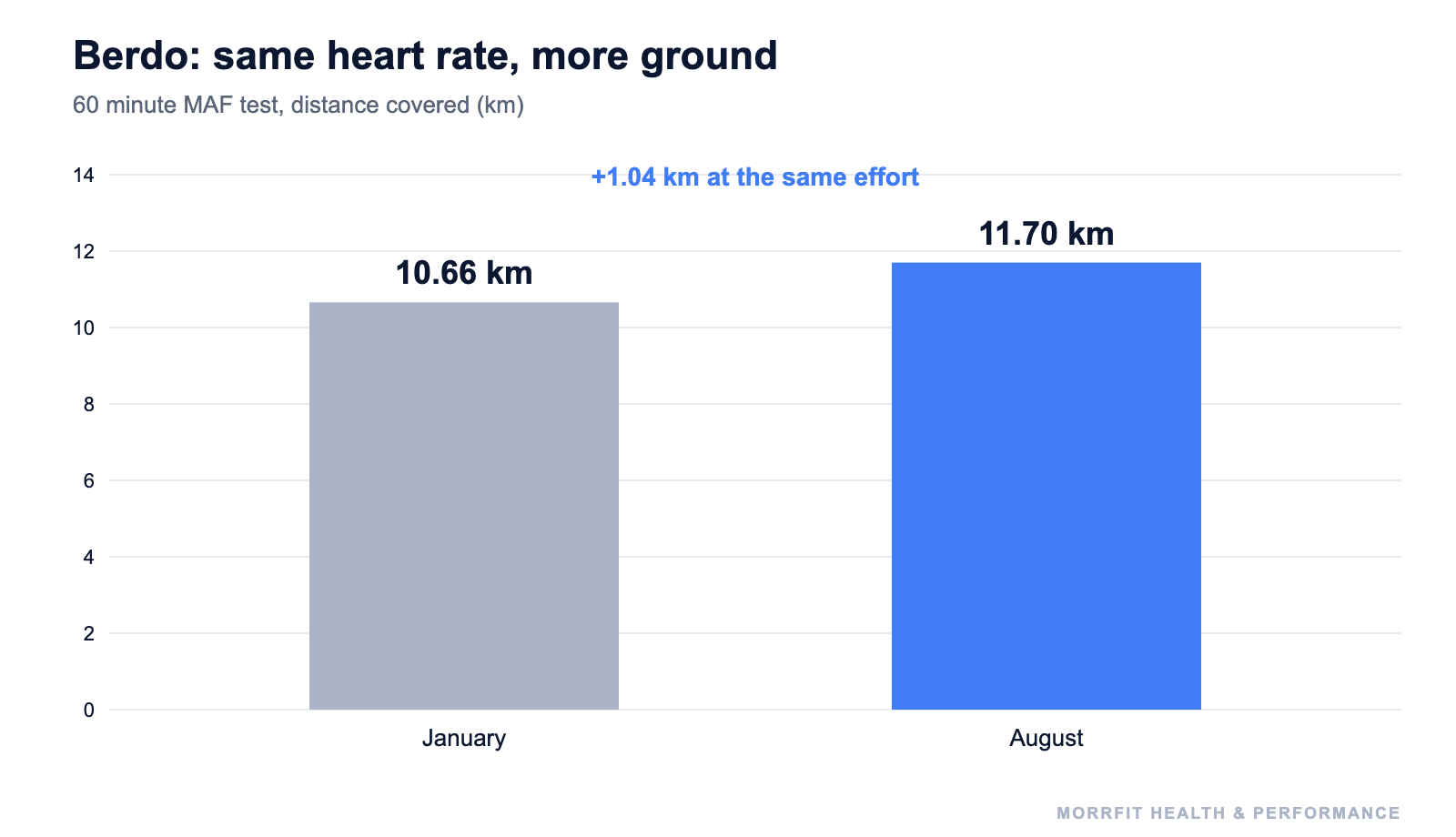
While his food was going up, his weekly average weight still came down by about 3.5kg. His aerobic test went from 10.66km to 11.70km in 60 minutes at the same heart rate, and in October he ran the Melbourne Half Marathon in 1:50:56.
The training built the engine. The food is what let him train well, recover, and carry less of himself around the course.
A few of his sessions
- Run and walk intervals. Jogging at 180 cadence with walk breaks, building up to 7 minutes jogging and 1 minute walking.
- Tendon work. Treadmill walking at 6km/hr on a 5% incline, holding 180 cadence.
- HYROX strength. Sled pushes and pulls, trap bar deadlifts, walking lunges and wall balls.
- Sunday long run. Starting at 90 minutes, kept under his MAF heart rate.
Berdo Melbourne Half Marathon, 1:50:56
His full year, phase by phase, with the real training and nutrition numbers.
Read Berdo’s storyGive food some of the attention you give training
You already plan your training. You know which days are long, which are easy and which are gym days. Food deserves some of that same thought.
Have a look at a normal week of eating, not just one meal. Notice the moments that keep catching you out. Most people find it’s a handful of the same situations every week, and they’re much easier to sort once you can see them.
Training gets you fitter. Nutrition is what lets it show.
Training hard and not seeing it come through?
Coaching Training and nutrition, built around your week
We look at both, so the hours you put in show up on race day and in the mirror.
Book your assessment