
If you’ve followed me for any length of time, you’ve probably heard me say the same thing over and over again… Slow down.
Now before you click away thinking I’m against hard training, let me make something very clear. I love high-intensity training. I use it with my clients all the time. We do intervals, hill repeats, threshold sessions and we push ourselves. But here’s the important part: we do those sessions at the right time, for the right person, and for the right reason. Too many people jump straight into training hard without first building the foundation that allows them to benefit from it. That’s where I see so many people getting stuck.
Watch the Video First
Before you continue reading, I’d encourage you to watch the video that inspired this blog.
Watch here:
The People I Coach Aren’t Professional Athletes
Most of my clients are busy parents, business owners, shift workers and professionals juggling careers, families, mortgages and everything else that comes with modern life. By the time they find 30 or 60 minutes to exercise, they’re already mentally and physically drained.
Then they jump online and see someone saying they need to train harder, run faster, lift heavier and push until they can’t breathe.
But here’s my question: If your life is already pushing you to your limits, why would adding more stress automatically be the answer?
Your body doesn’t separate work stress from training stress. It doesn’t know the difference between a bad night’s sleep, a difficult day at work, financial pressure or a brutal workout. It simply recognises stress. Eventually it runs out of the ability to recover.
You’re Probably Not Lazy… You’re Probably Exhausted
One of the saddest conversations I have with new clients is hearing them tell me they’re lazy. They think they don’t have enough motivation and they think they just need more discipline. Most of the time that’s not true at all.
They’re trying incredibly hard. They’re simply trying to recover from far more than their body is capable of handling.
Sometimes the smartest thing we can do isn’t add another hard session. Sometimes it’s reducing the intensity, improving recovery and allowing the body to adapt. That doesn’t mean we avoid high intensity training forever. It simply means we earn the right to do it later.
My Goal Isn’t To Make You Tired
Anyone can make you tired. Honestly, I could make almost anyone feel exhausted in twenty minutes. That doesn’t make me a good coach.
My job isn’t to see how hard I can make you work. My job is to make you fitter.
There’s a huge difference.
A good training program should leave you improving week after week, not surviving one workout before spending the next three days trying to recover from it.
Why I Focus So Much On Aerobic Training
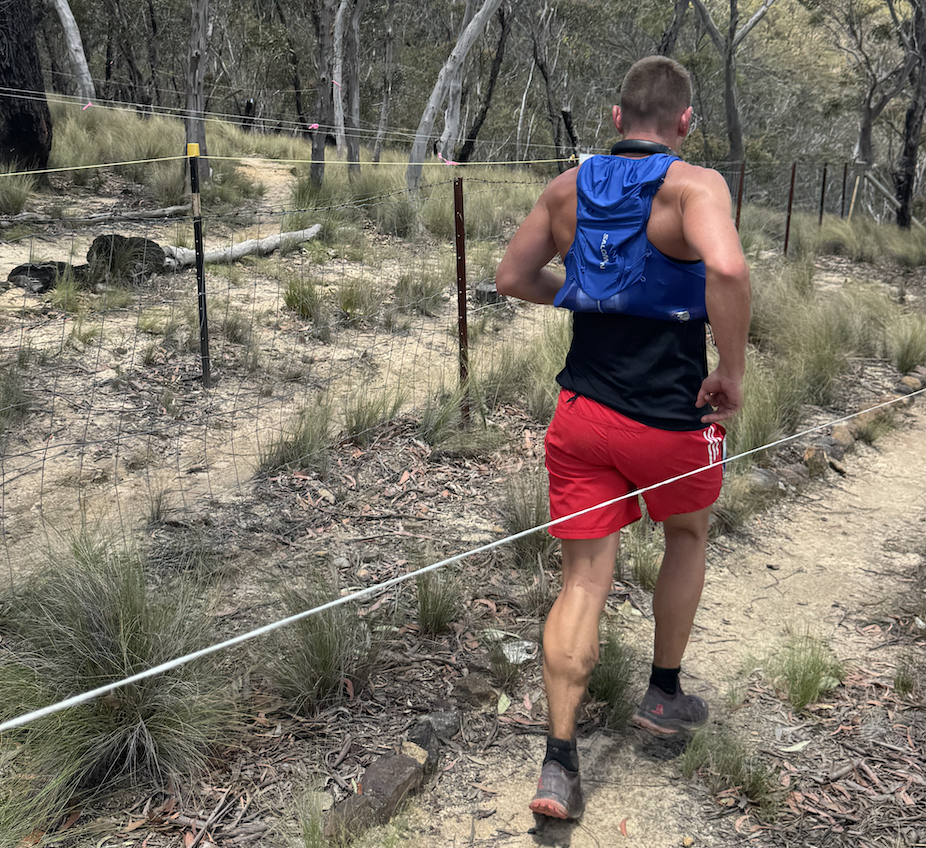
One of the biggest reasons I talk about aerobic fitness is because it gives busy people exactly what they need. It helps you build a bigger engine, improves recovery, allows you to train more consistently, improves your ability to use oxygen efficiently, helps you handle higher workloads later and doesn’t completely empty your energy tank every session.
When we improve your aerobic system, your heart rate comes down, your pace gradually improves, you recover faster and training starts feeling easier. Then, when the time is right, we can introduce higher intensity sessions and your body is actually ready to benefit from them.
High intensity isn’t bad. It’s just far more effective when it’s built on top of a strong aerobic foundation.
We Build the Foundation Before We Build the Peak
I always use the same analogy with my clients. Imagine building a house. You wouldn’t start with the roof. You spend months making sure the foundations are strong enough to support everything that comes afterwards.
Fitness is exactly the same. Aerobic training, strength work, movement quality, recovery and consistency are your foundations. Once they’re solid, we can start building the peak.
Don’t Just Take My Word For It
One story that always sticks with me is my client, David. When David first came to me, he was working full-time, raising a family and trying to lose weight by eating less while training harder and harder.
Instead, we focused on building a stronger aerobic foundation, improving his consistency and making sure his training actually fitted around his life. We didn’t remove high intensity training, we simply used it when it was appropriate.
The result? David lost over 25 kilograms, dramatically improved his fitness and eventually progressed from wanting to lose weight to completing trail running events he never thought were possible.
His journey is proof that slowing down doesn’t mean giving up on your goals. It means giving yourself the best chance of actually reaching them.
Want More Real Success Stories?
David’s story is just one example.
Read more client success stories here: Click here
Training Should Fit Around Your Life
One thing I refuse to do is build programs that only work when life is perfect. Because life isn’t perfect.
Instead of asking, “How much training can we squeeze into your week?” I ask, “What’s the least amount of training we need to do to get amazing results?”
Because when a program fits your life, you’ll actually stick to it. Consistency will always beat occasional bursts of motivation.
Hard Training Still Matters
I am not against high intensity training. In fact, I think it’s one of the most valuable tools we have. But like every tool, it has to be used correctly for the right person, at the right time and for the right goal.
I don’t coach people to survive today’s workout. I coach people to still be improving six months from now. Sometimes that means pushing harder. Sometimes it means slowing down. Both require discipline. Both have their place.
Ready to Find Out If You’re Training Too Hard?
If you’re constantly tired, struggling to recover, if every run feels harder than it should, or you’ve hit a plateau despite training consistently, it might not be because you’re not working hard enough. It might be because you’re working too hard.
At Morrfit Health & Performance, I help busy people train smarter, recover better and build fitness that actually lasts. Whether your goal is to lose weight, complete your first 5km, run a marathon or tackle an ultramarathon, the first step is always the same: Build the foundation first.
Watch the Full Video
This blog was inspired by one of my latest YouTube videos:
Remember: Slowing down isn’t the destination. It’s simply the path that allows you to speed up later.
Train smarter. Recover better. Stay consistent.
The results will take care of themselves.