
From Guillain-Barré syndrome to adaptive HYROX
About two years ago, Sienna was diagnosed with Guillain-Barré syndrome, or GBS. It’s a rare condition where the immune system attacks the nerves, and it can take away strength, feeling and movement in a matter of days.
Sienna started training with me early this year. Her goals were clear from day one:
- Learn how to use the gym properly, not just go to classes
- Get stronger for her new everyday life, and the obstacles that were suddenly new to her after GBS
- Explore the possibility of one day tackling the Kokoda Track
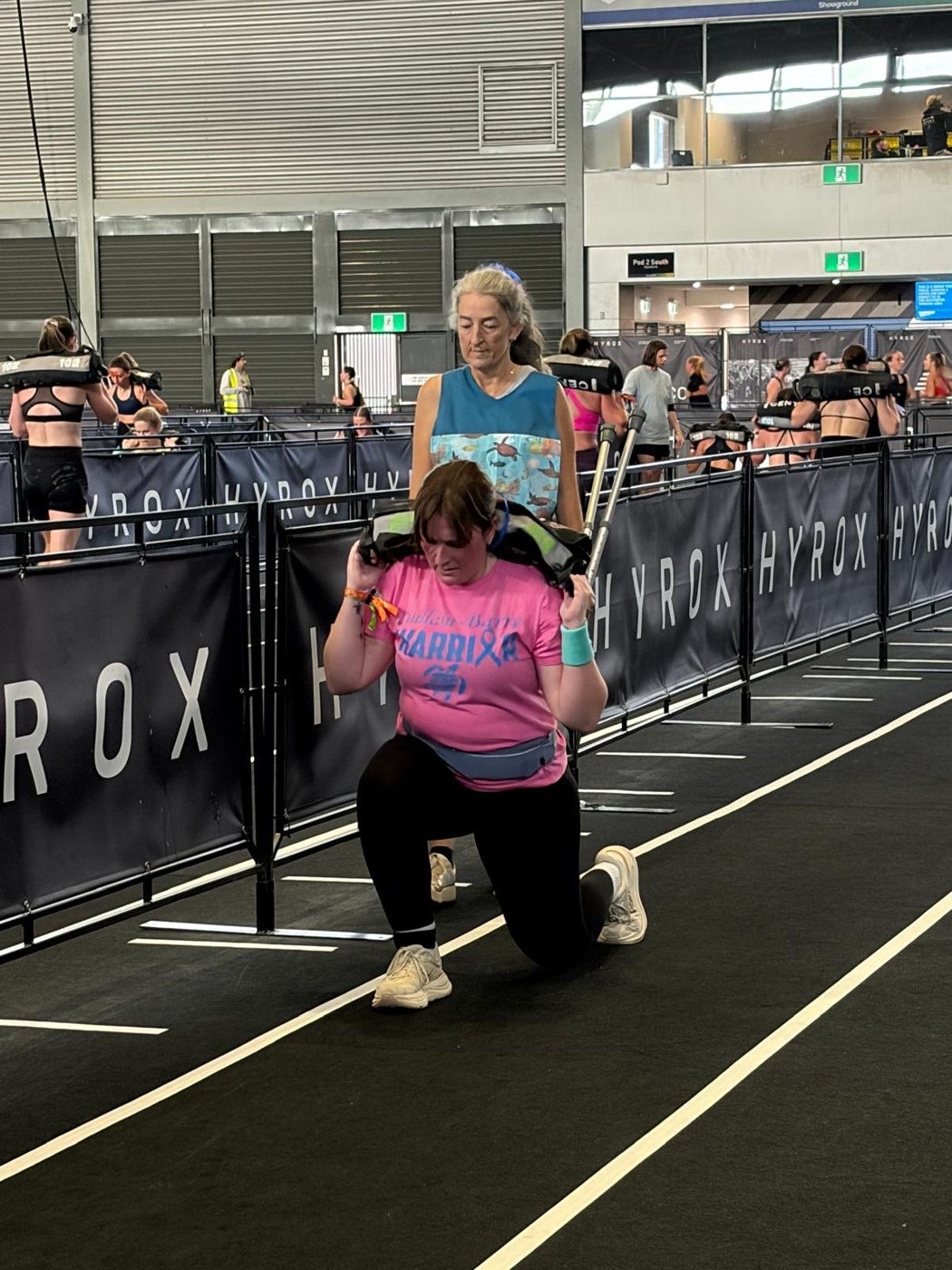
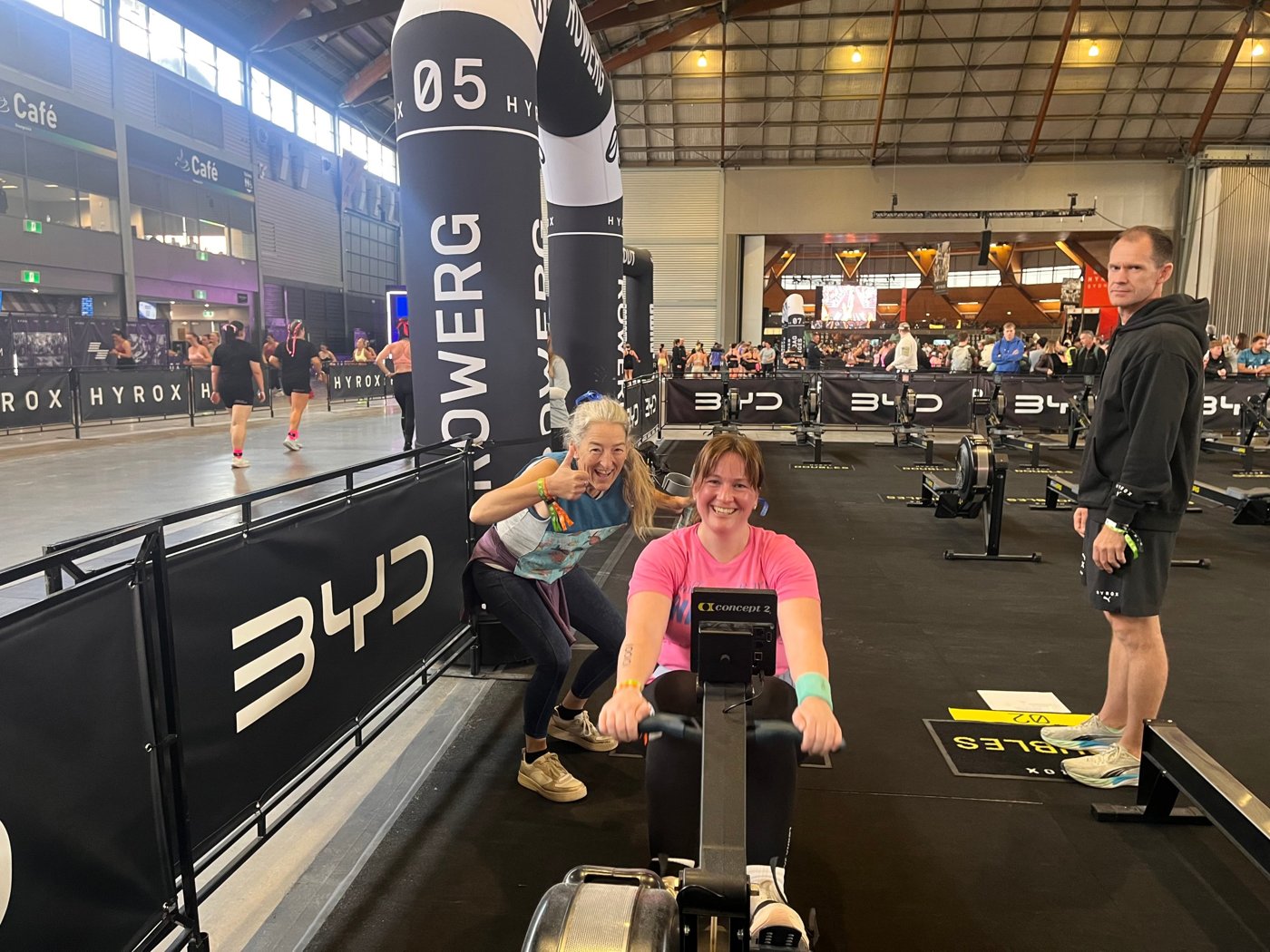
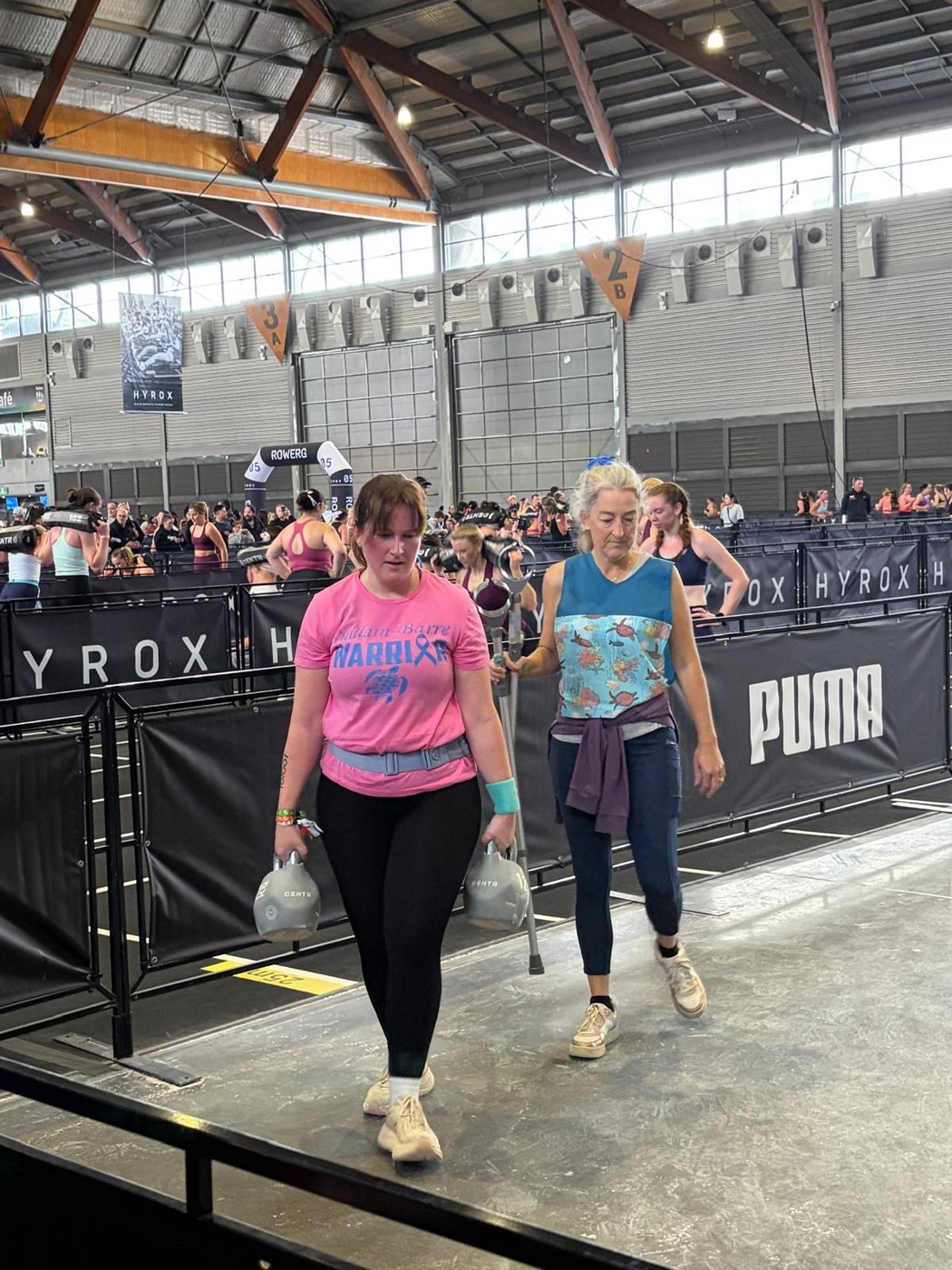
In the two years since GBS, Sienna has learnt to walk again, live independently, drive, return to work and travel. She’s competed in adaptive HYROX, hiked Mount Kosciuszko, and in just a few weeks she’ll attempt the Kokoda Track. Her shirt in the photo below says it better than I can: Guillain-Barré warrior.
She’s also open about how hard it still is. In her own words: “Everyday is still so hard. I have constant pain, everyday tasks are difficult and it is highly likely I will have some kind of permanent disability.”
What is Guillain-Barré syndrome?
I’m a coach, not a doctor, so here’s a plain English overview from the research.
- What it is. GBS happens when the body’s immune system attacks the peripheral nerves, the ones that carry signals between the brain and the muscles and skin. It often follows an infection.
- How it shows up. Weakness and changes in feeling that usually start in the legs and move upwards. Most people reach their worst point within about two weeks.
- How serious it can be. Around 20 to 30% of people need help to breathe on a ventilator during the worst stage.
- How rare it is. Roughly 1 to 2 people in every 100,000 each year.
- Recovery. Most people recover a lot. Around 60 to 80% are walking on their own by six months, and recovery can keep going well beyond the first year. But 10 to 20% are left with significant long term disability.
What GBS can leave behind
Walking again doesn’t mean everything is back to normal. Fatigue is one of the most common things people live with after GBS, and it can hang around even after strength comes back. Some people are left with weakness, and some with reduced feeling in their hands and feet.
For Sienna, it’s the feeling. In her words, “with my GBS, I can’t feel much.”
That matters a lot in the gym. Most of us rely on feel to know where our knee is in a lunge, whether our back is flat on a deadlift, or when a muscle is starting to work. When that feedback isn’t there, you need another way to get it.
Training when you can’t feel much
Before we started, Sienna had never really been taught how to train. She’d been given programs before, but they felt like they could have been written for anyone, and she didn’t feel she was getting anything functional out of them. She was working hard and not seeing the benefit.
So we built everything around her:
- I explain the why. Every exercise has a reason, and she knows what it’s for.
- I watch and cue. Because she can’t always feel her position, I watch how her body is moving and tell her what to adjust. Her eyes and my cues do the job her sensation can’t.
- Function first. We’re not lifting heavy for the sake of it. Lunges with a sandbag, carries, step ups and stamina work, because that’s what Kokoda, HYROX and everyday life ask of her.
- It works alongside her rehab. Her training complements the work she does with her medical and rehab team. It doesn’t replace it.
What the research says about exercise after GBS
The research on exercise after GBS is still fairly small, but what’s there is encouraging:
- Exercise is well tolerated. In a Dutch study, 20 people recovering from GBS or a related nerve condition did a 12 week training program. They handled it well, their fatigue went down, and their fitness and quality of life improved (Garssen et al., 2004).
- The benefits go beyond fitness. A follow up analysis of the same group found that improvements in fatigue and day to day functioning weren’t simply explained by fitness going up, suggesting training helps in more ways than one (Bussmann et al., 2007).
- More structure, more gains. In a trial of people in the long term phase after GBS, a higher intensity, 12 month outpatient rehab program led to far bigger improvements in function than a lower intensity one: 68% of people improved compared with 32% (Khan et al., 2011).
- Supervision helps. A 2026 review of GBS rehab found that supervised, progressive programs built around the individual are linked to better strength, function, independence and fatigue (Jauregui-Gutiérrez et al., 2026).
Supervised, progressive and built around the person is exactly how we’ve approached Sienna’s training. If you’re living with GBS or recovering from it, always check in with your neurologist or physio before starting something new.
Stronger, fitter and more confident
Here’s what Sienna says has changed since we started:
- She’s stronger, with more stamina and better functional fitness.
- She’s confident in the gym and knows what to do when she gets there.
- She’s confident in her body and what it can do since GBS.
- It’s helped her at work, and it helped her get through moving house.
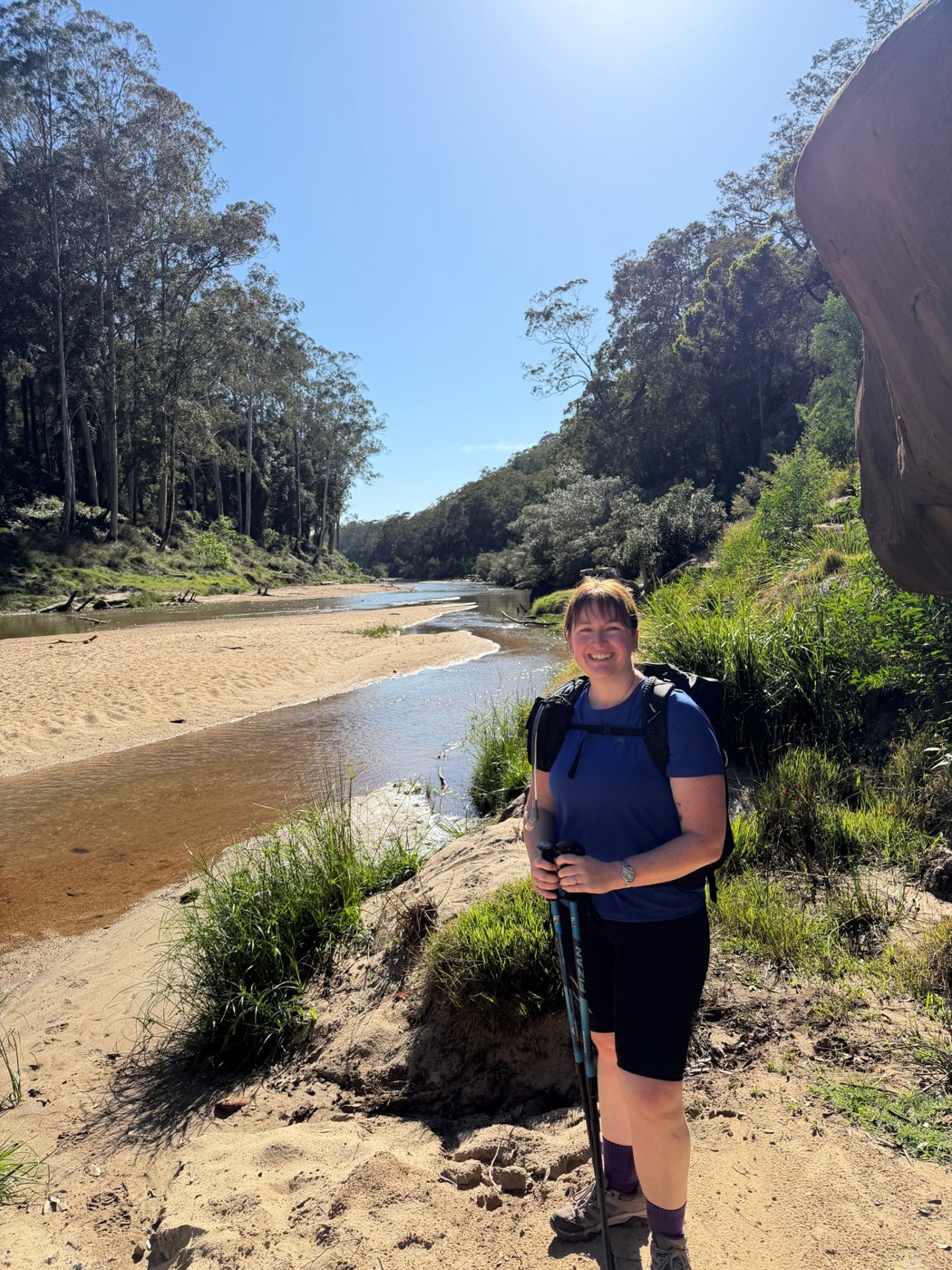
- She’s hiked Mount Kosciuszko and competed in adaptive HYROX.
The part she’s most proud of is the functional gains, and how they show up in everyday tasks as well as the big challenges.
So proud of you, Sienna
I want to say this one personally. When I met Sienna earlier this year, she wanted to learn how to use the gym and get stronger for her new everyday life. Since then she’s competed in adaptive HYROX, hiked Mount Kosciuszko, and she’s now weeks away from Kokoda.
What stands out to me most isn’t any one event. It’s that she keeps turning up and doing the work, even on the days that are hard.
Sienna, I’m so proud of you and how far you’ve come since we met. It’s a privilege to be part of it.
“After the first session, I knew you were not just giving me a standard program you give everyone. With my GBS, I can’t feel much, but the way you explain everything and how you watch how my body is reacting and tell me what I need to adjust, I am able to do the tasks and do them properly.”
Sienna MorrFit client
“Absolutely. What you train is practical and functional, plus you practice what you preach with your own training and events, so it feels like you’re in it with us, not just yelling at people to do more reps in the gym.”
Sienna MorrFit client
The Kokoda Track: almost 100km of mountains and mud
In early December, Sienna will walk the Kokoda Track in Papua New Guinea. It’s one of the toughest treks Australians take on, and it’s easy to underestimate.
- Distance. 96km of narrow, single file track across the Owen Stanley Range, from Owers’ Corner to Kokoda.
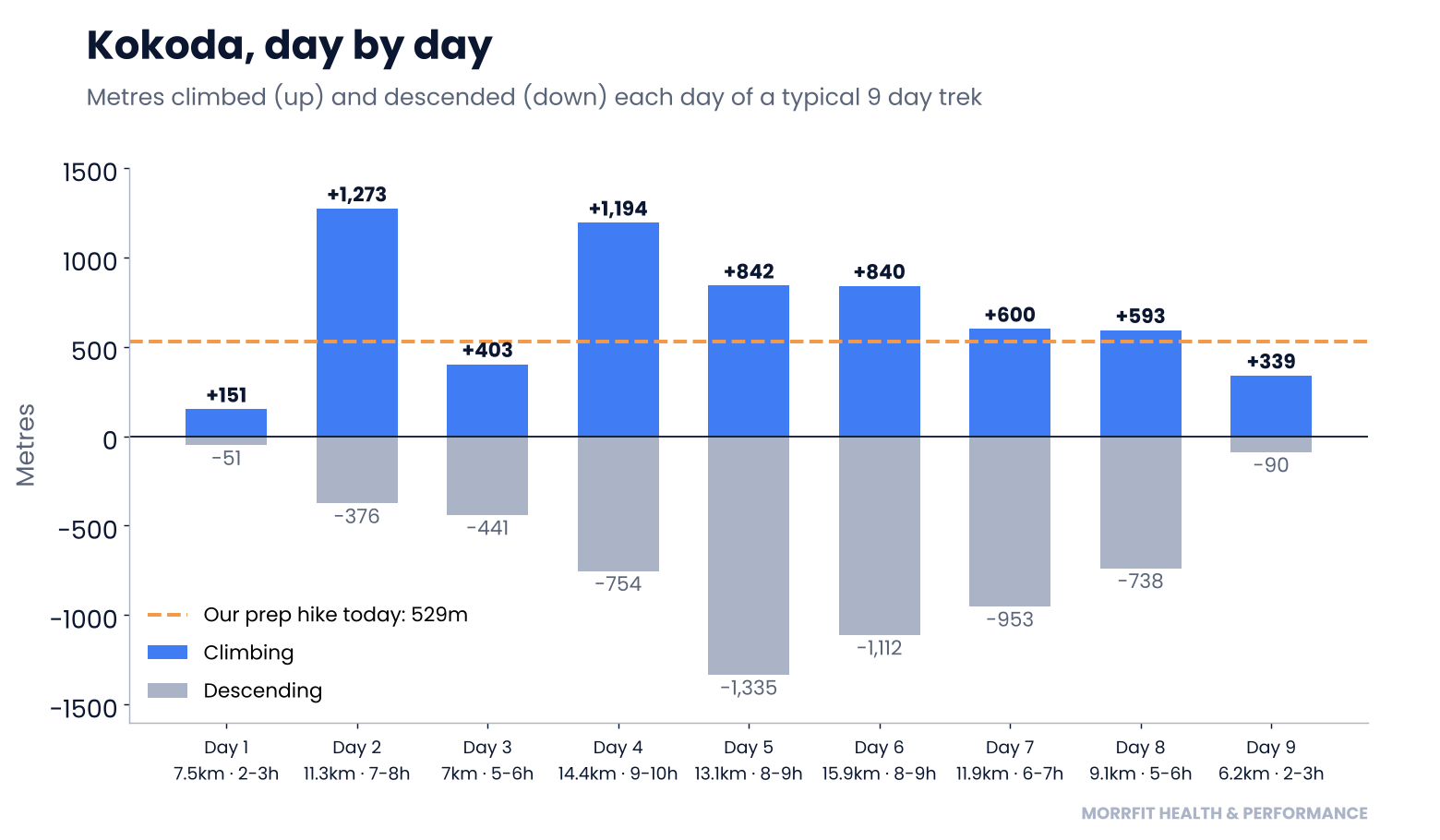
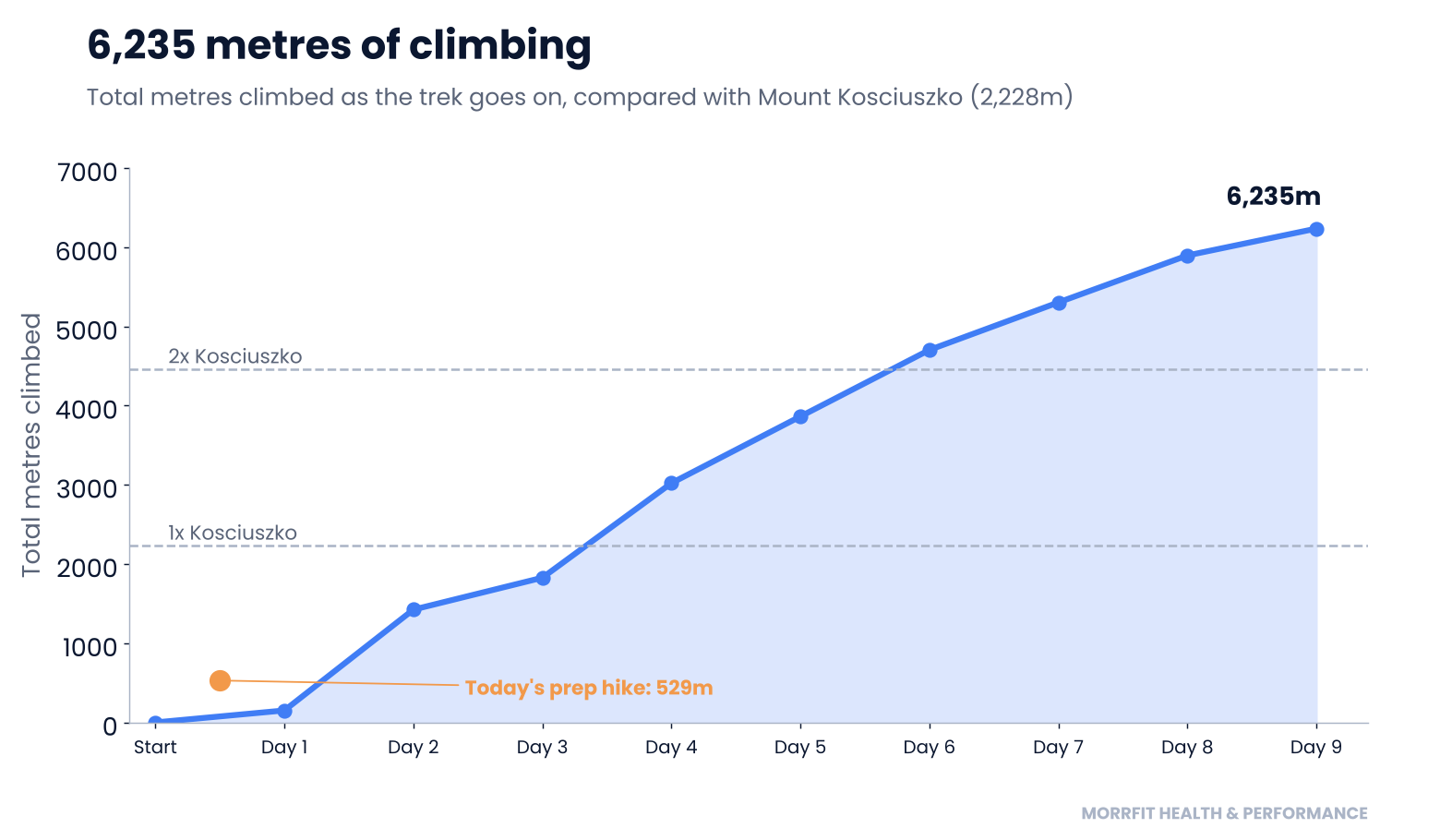
- Climbing. Over 6,000m of ascent and almost as much descent. That’s like climbing Mount Kosciuszko from sea level, then doing it again, and most of the way a third time.
- Altitude. The highest sections sit above 2,100m.
- Time on your feet. Usually eight or nine days of trekking, with most days 5 to 10 hours of walking. The hardest days cover around 14km with more than 1,100m of climbing.
- Conditions. Hot, humid days of around 24 to 32 degrees, humidity often between 75 and 95%, and cold nights up high. Early December is the start of the wet season, so we’re expecting rain, mud, slippery descents and plenty of creek crossings.
- History. The track is where Australian soldiers fought the Kokoda Campaign in 1942, and walking it means following in their footsteps.
It’s a big goal for anyone. For someone two years on from GBS, still living with pain and reduced feeling, it’s huge. Every step on a slippery, root covered descent takes concentration when you can’t fully feel where your feet are.
The track in pictures and numbers
The track runs from Owers’ Corner, just outside Port Moresby, over the Owen Stanley Range to the village of Kokoda on the other side.
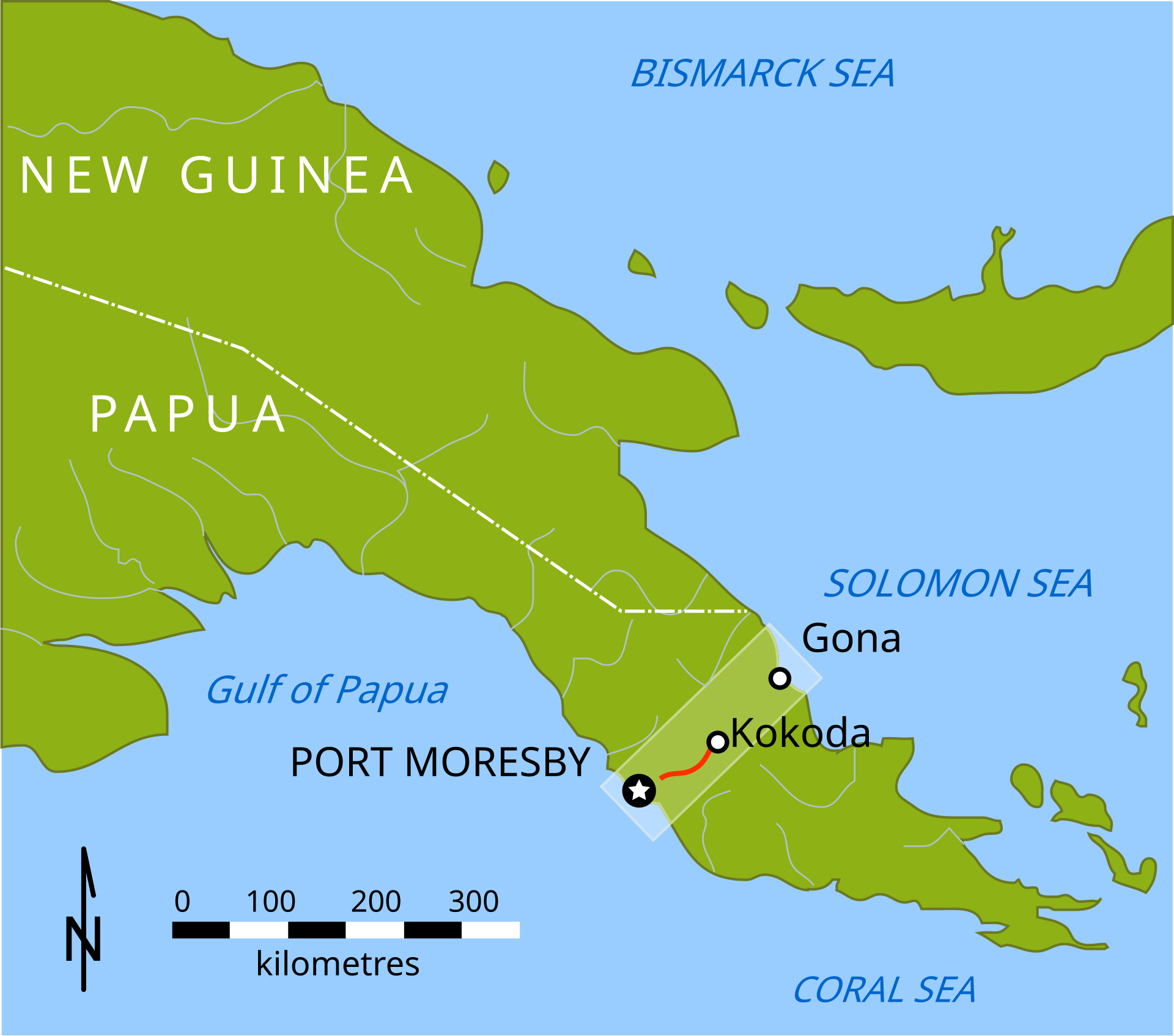
Map: SpoolWhippets, Wikimedia Commons, public domain
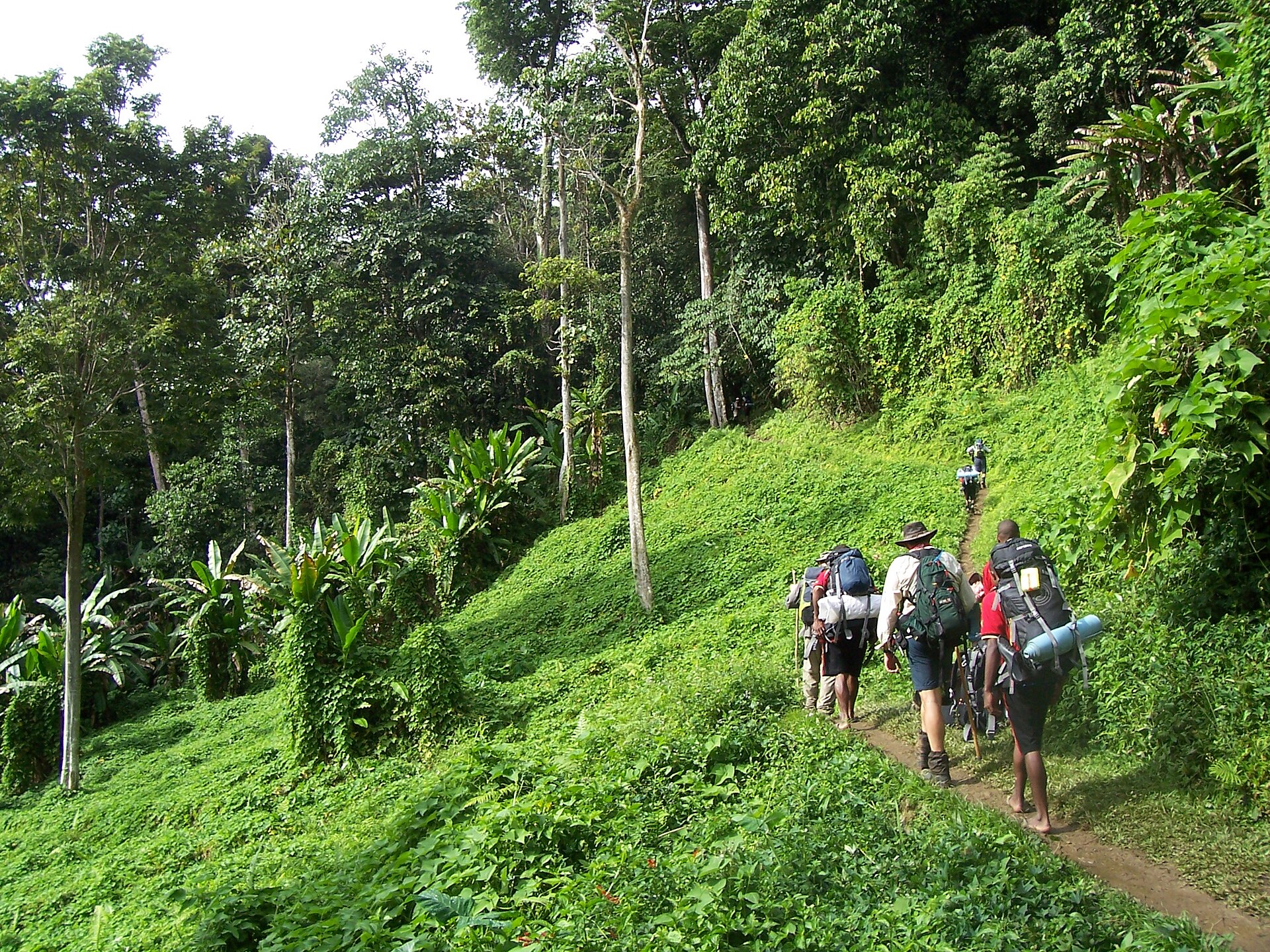
Photo: Luke Brindley, Wikimedia Commons, CC BY-SA 4.0
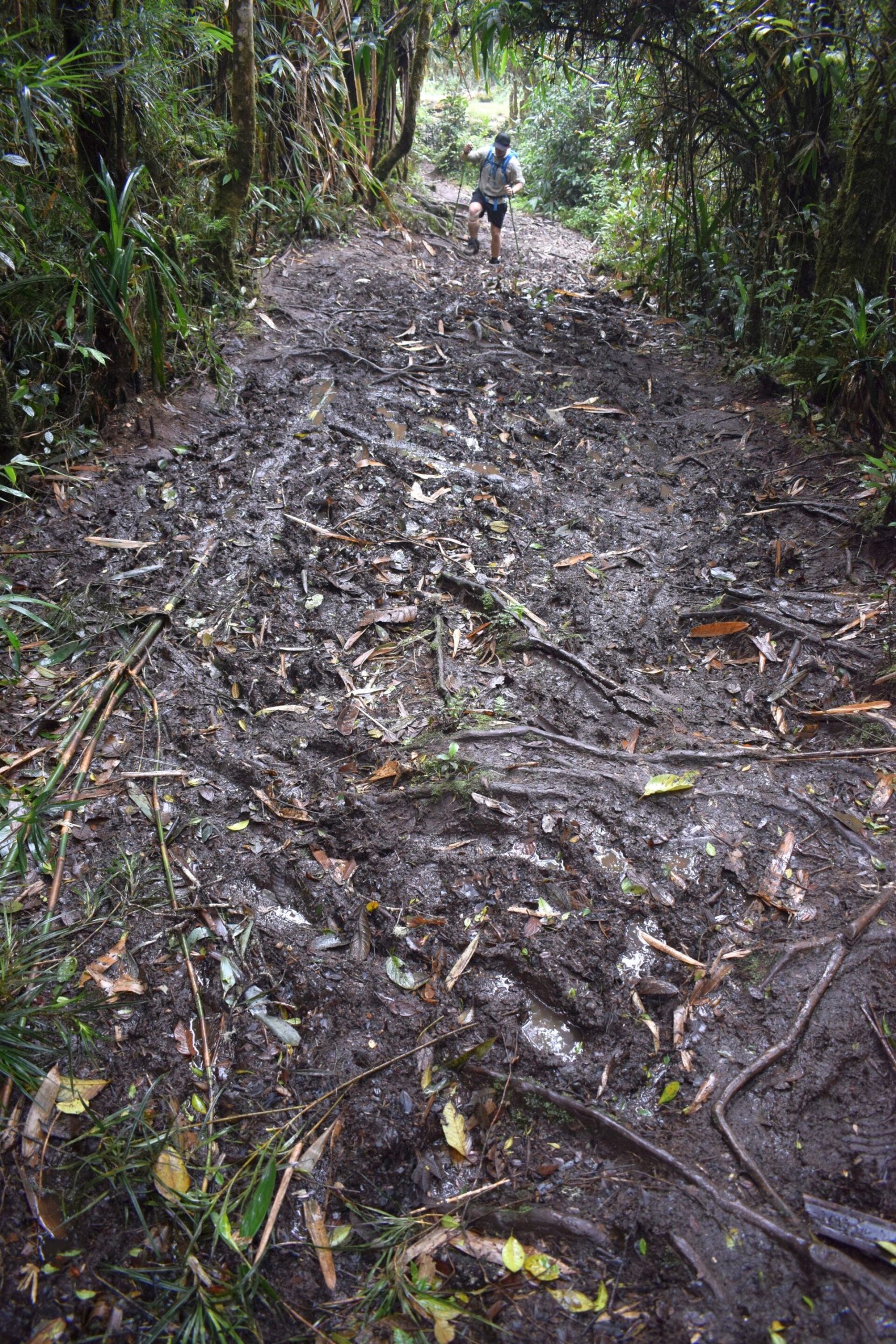
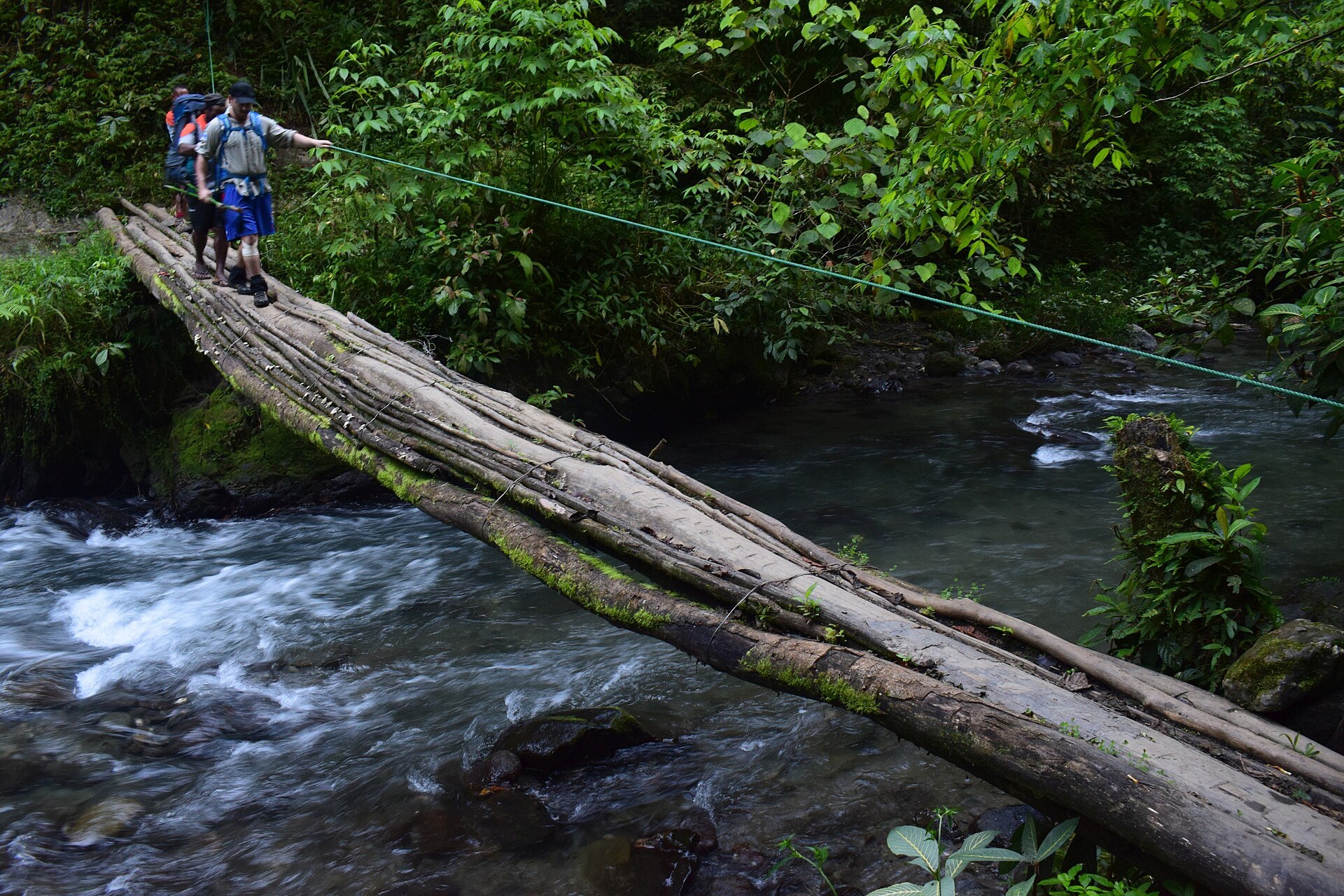
Photos: Jontycrane, Wikimedia Commons, CC BY-SA 4.0
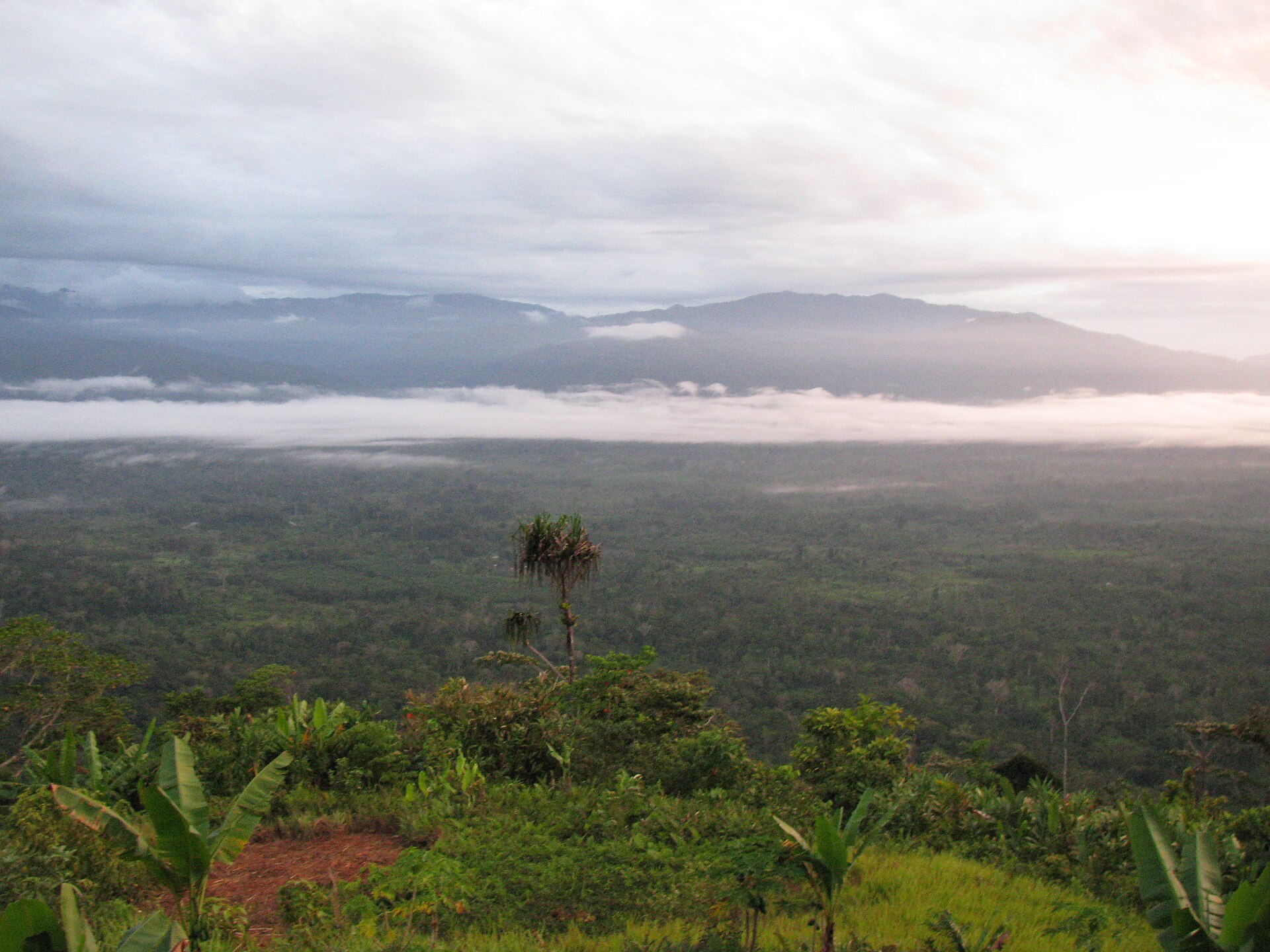
Photo: Arthur Chapman, Wikimedia Commons, CC BY 2.0
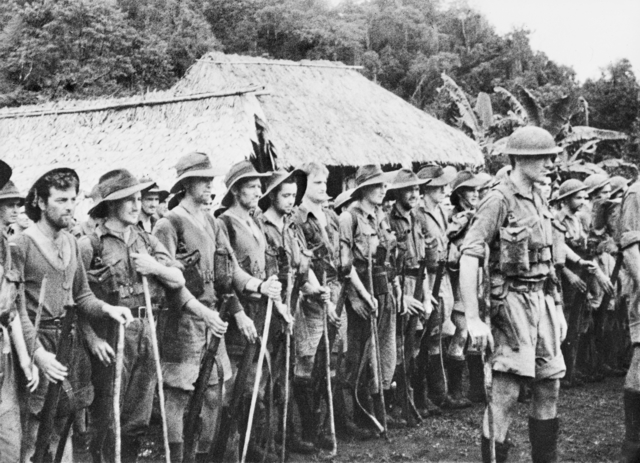
Photo: Damien Parer, Australian War Memorial 013289, public domain
25 days out: 10km and 529m of climbing
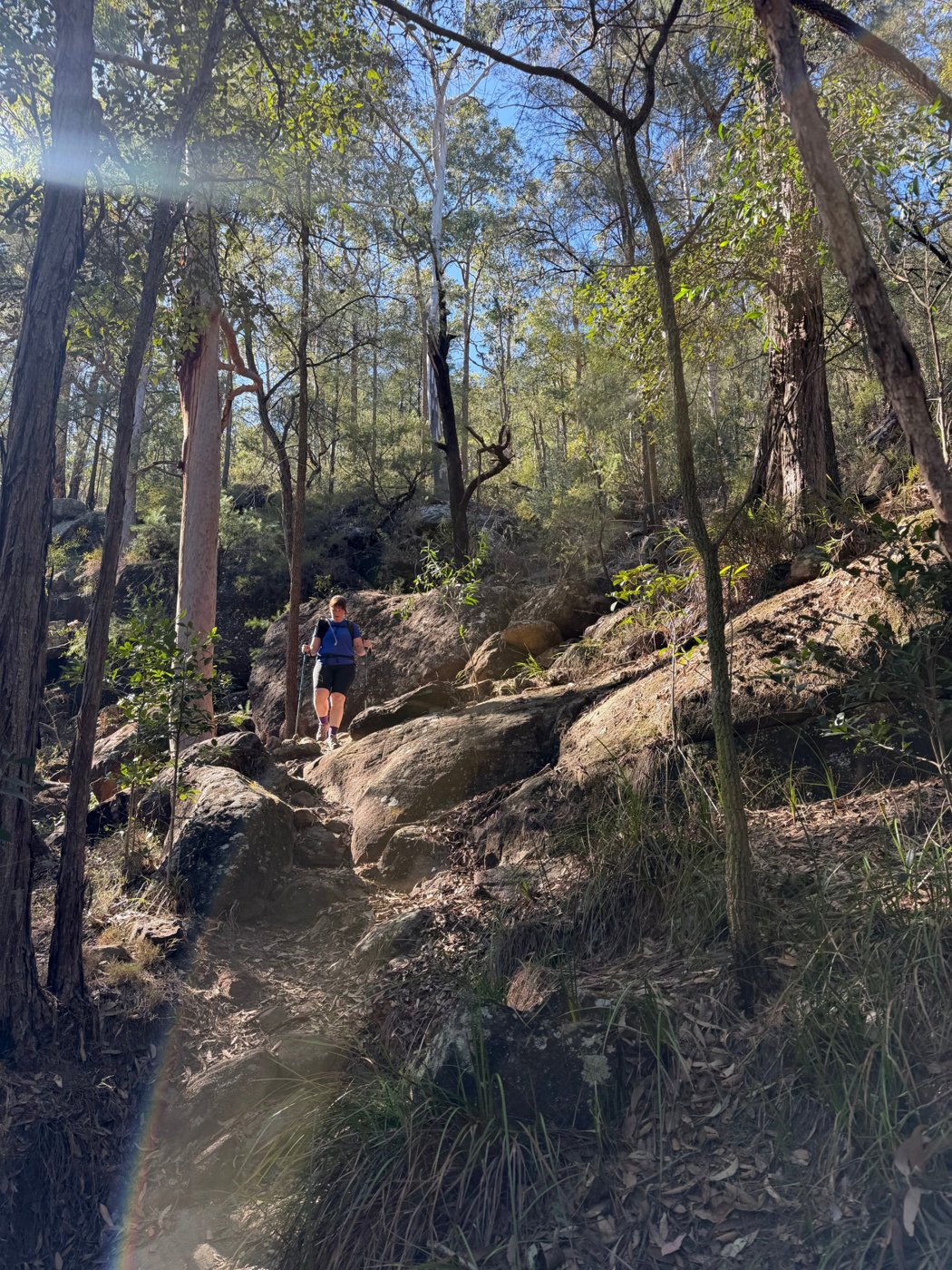
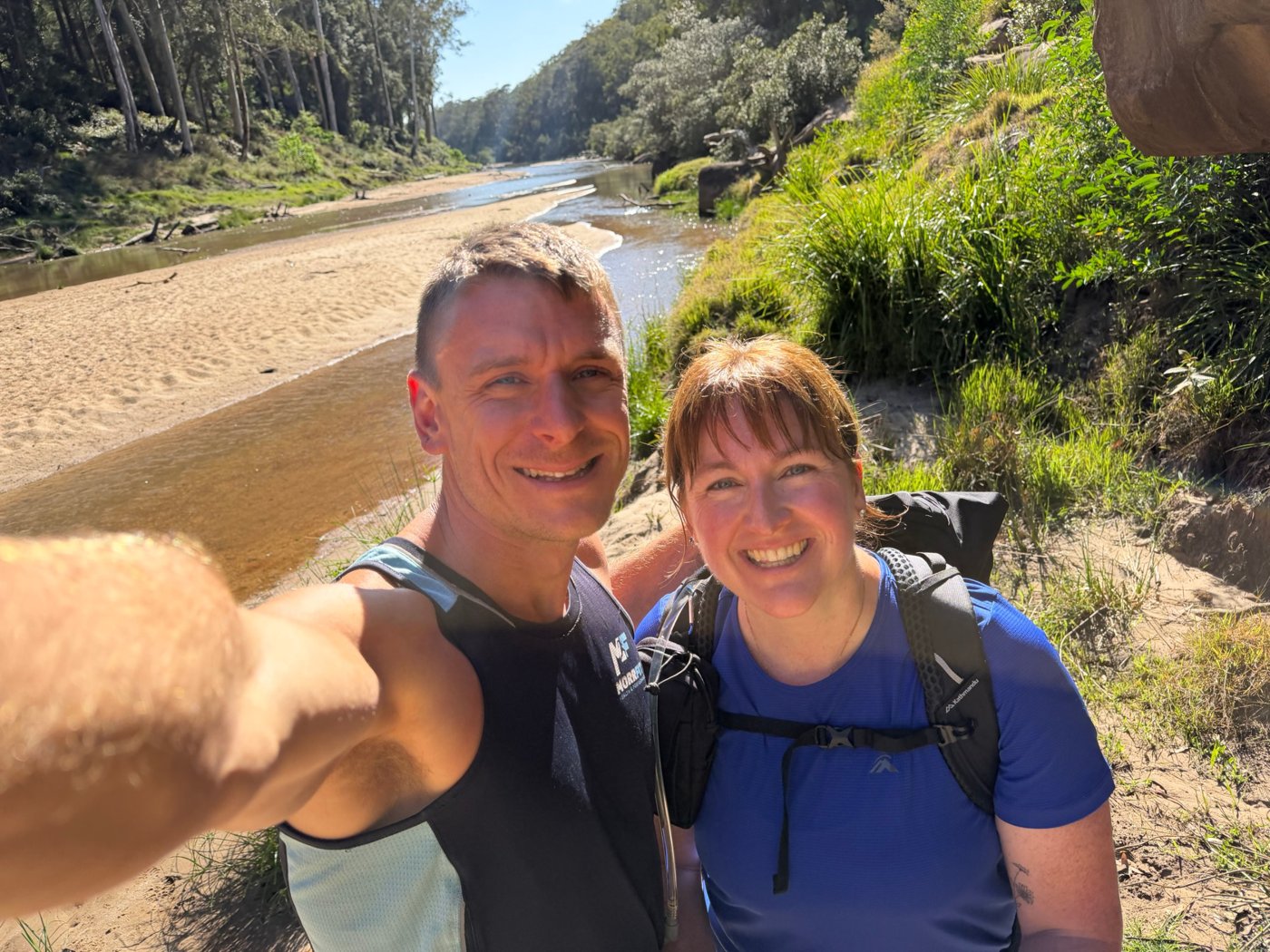
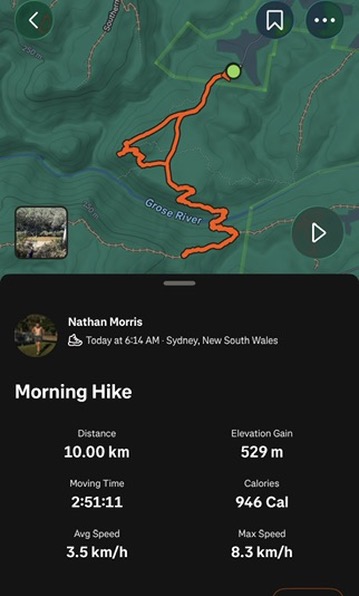
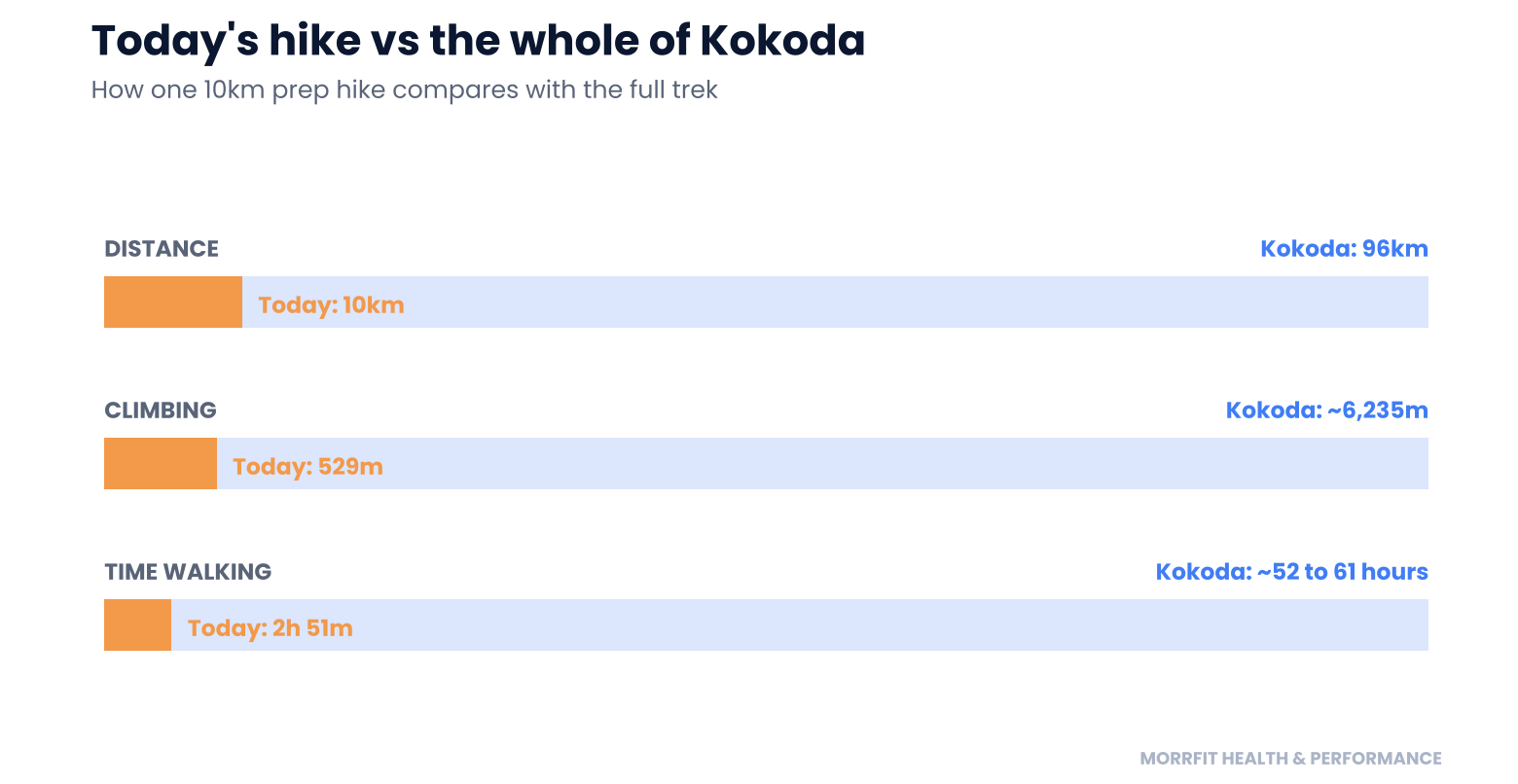
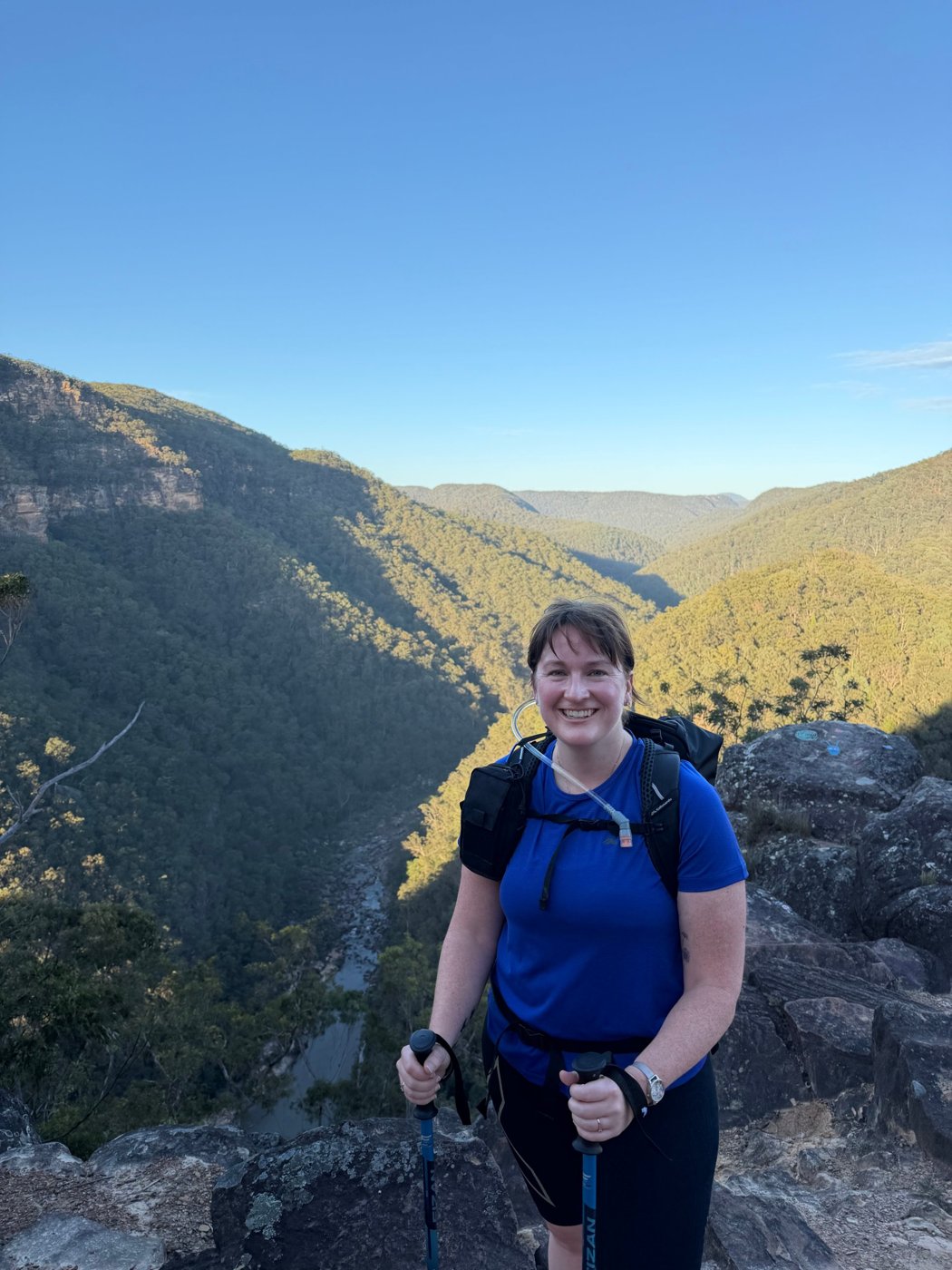
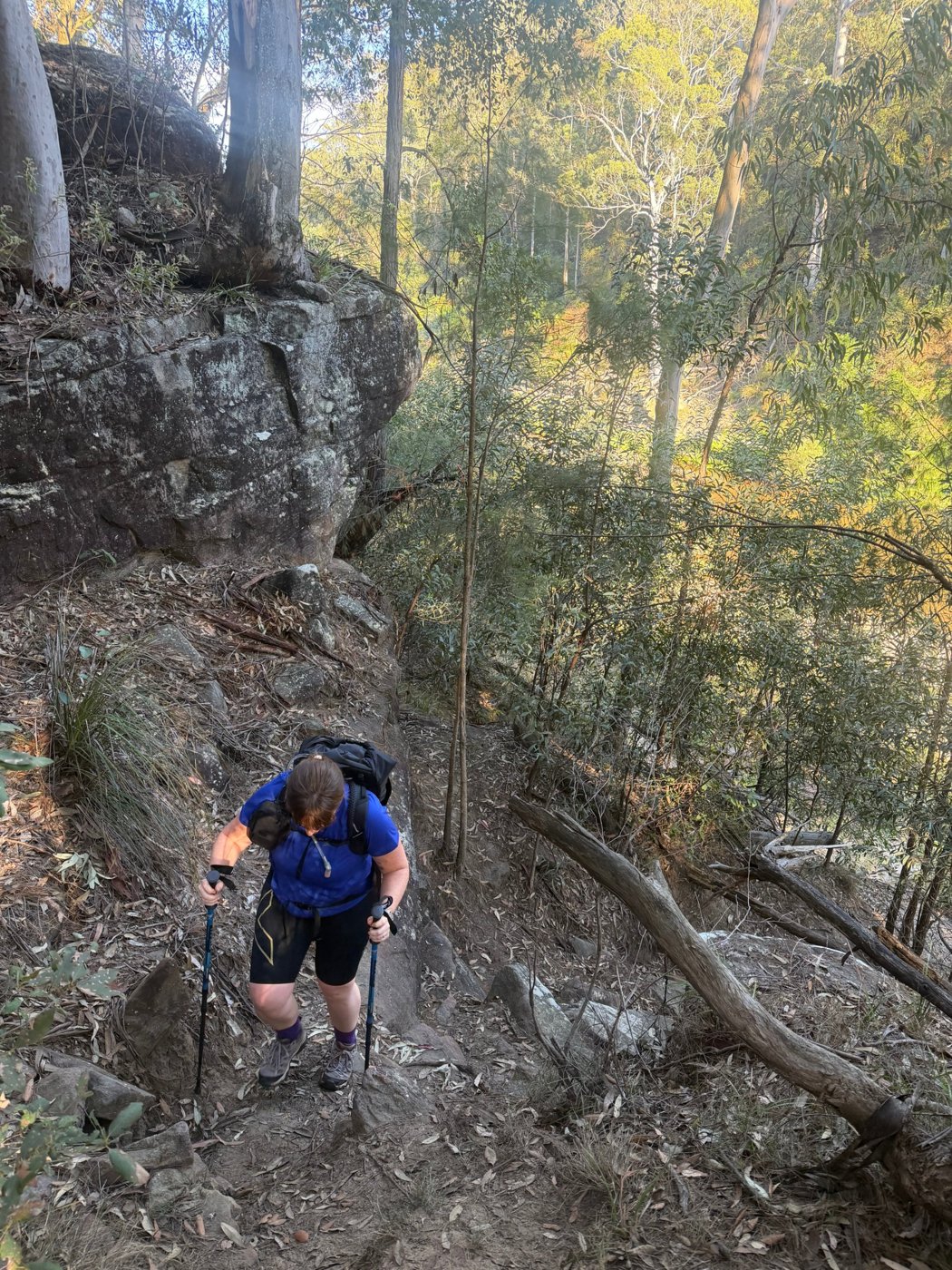
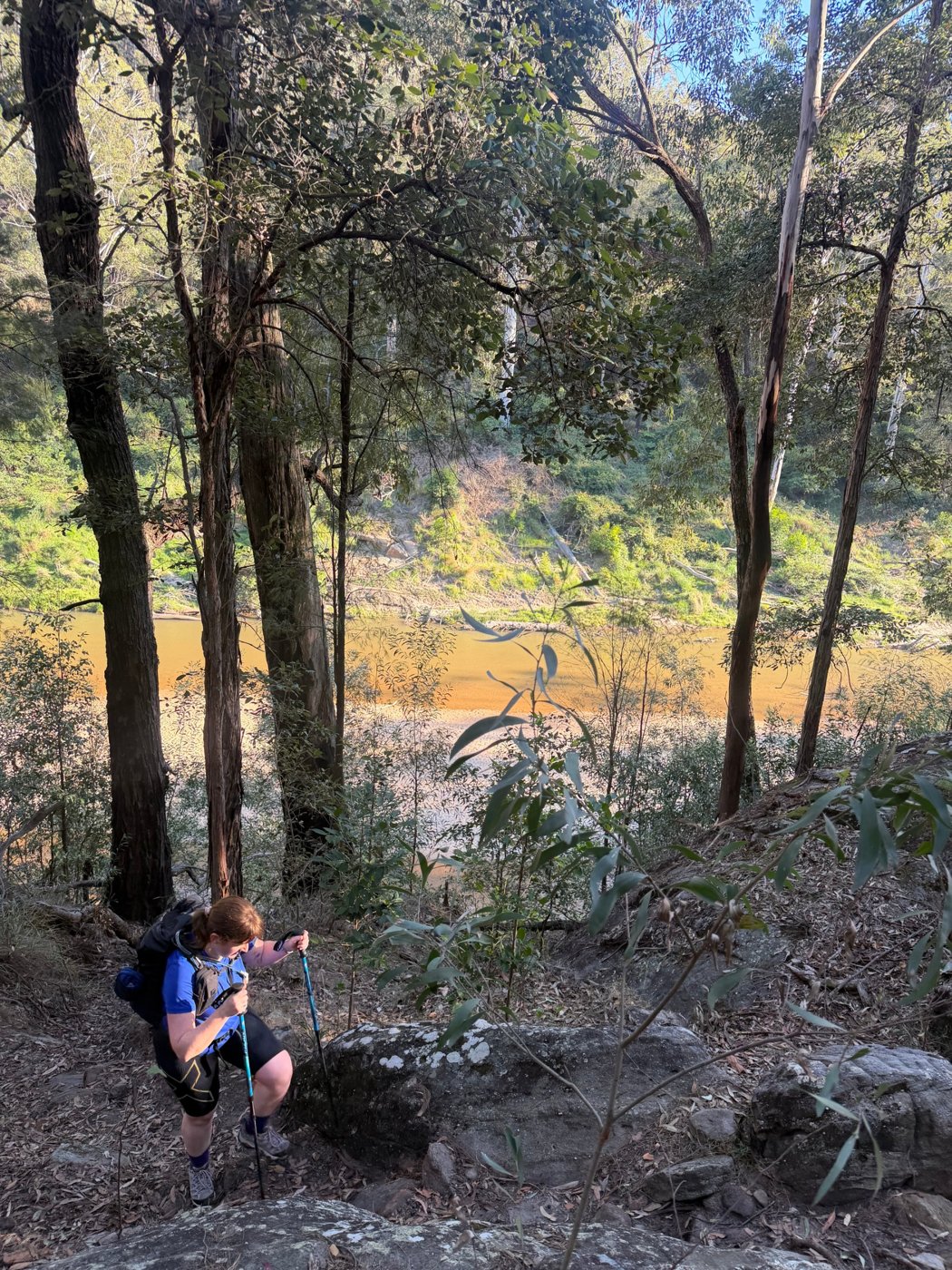
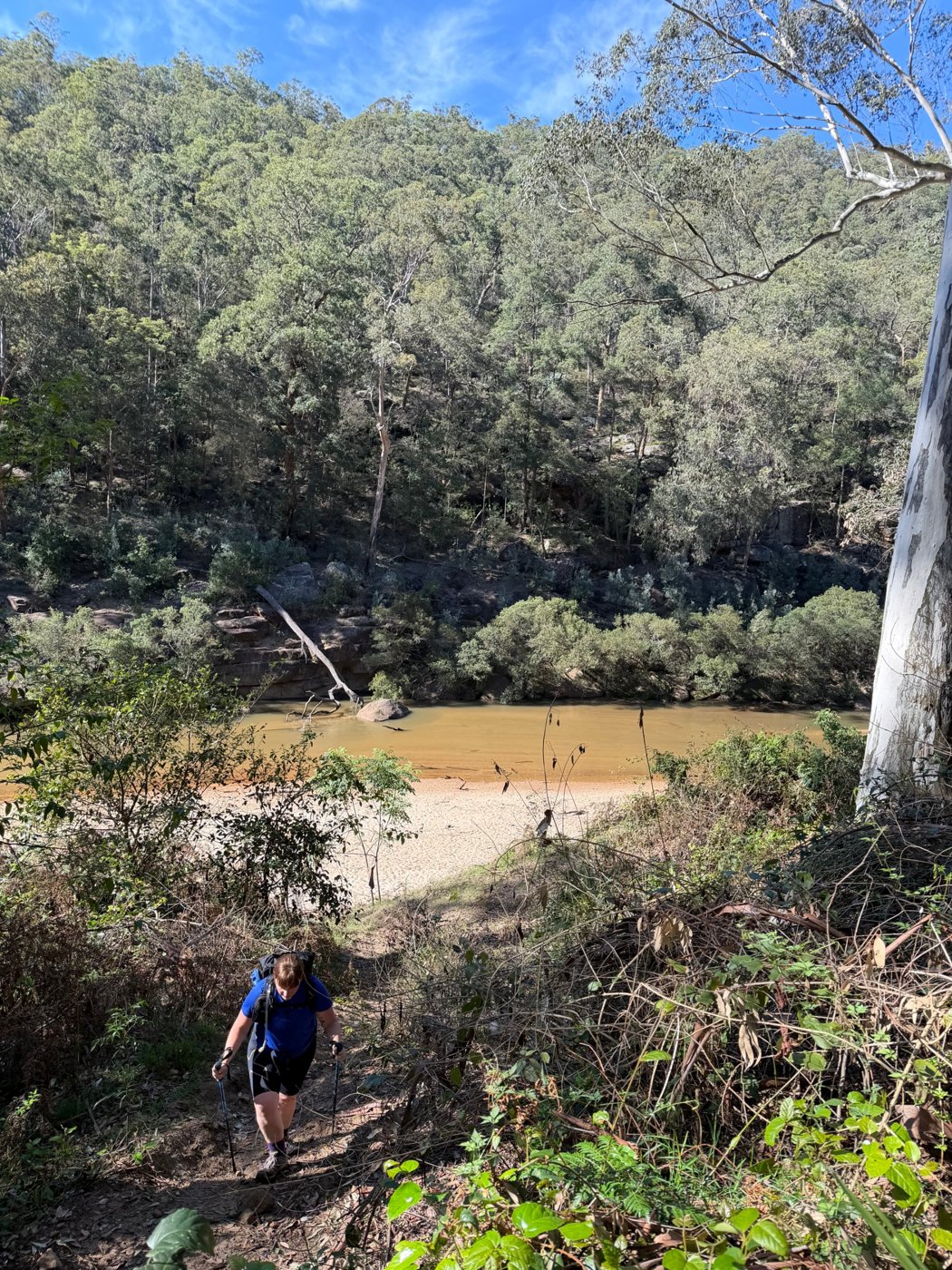
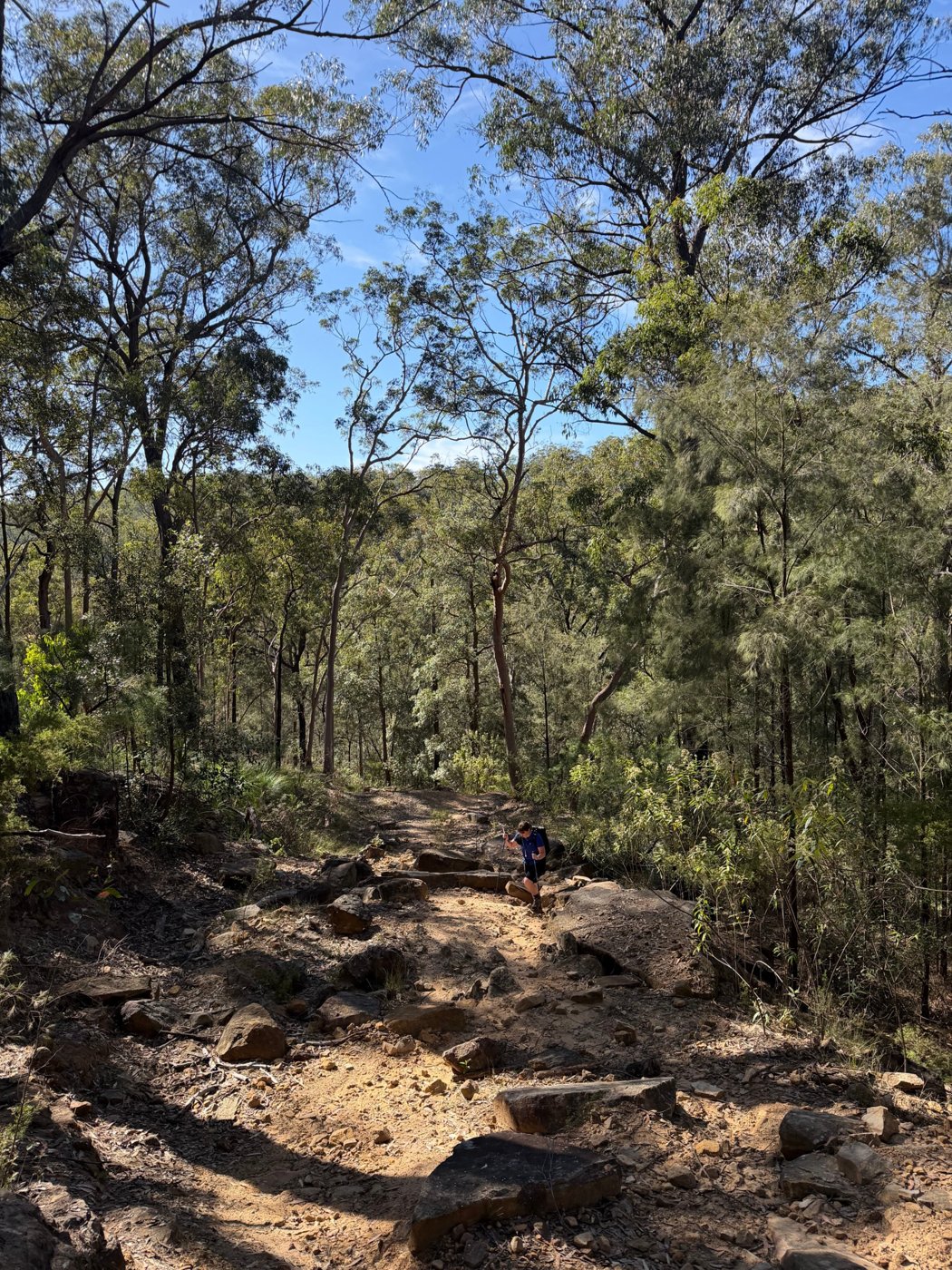
Today, 25 days out from Kokoda, Sienna and I headed out for a 10km trail hike down to the Grose River and back up again. We climbed 529m in 10km, with 2 hours and 51 minutes of moving time.
That works out to around 53m of climbing for every kilometre. Kokoda averages about 65m per kilometre, so this is exactly the kind of steep, technical terrain she needs to be ready for. The difference is that on Kokoda she’ll do it day after day, in the heat and the rain, with a pack.
That’s why so much of her training looks like Kokoda: lunges and step ups under load, carries, steep hikes like today, and building the stamina to keep moving when her body is already tired.
She isn’t just doing it for herself. Through sharing her story, trekking Kokoda and partnering with GBS groups in Australia and around the world, Sienna wants to help improve awareness, diagnosis, treatment and support for people with GBS.
I can’t wait to see her take this on.
Down to the Grose River and back up again
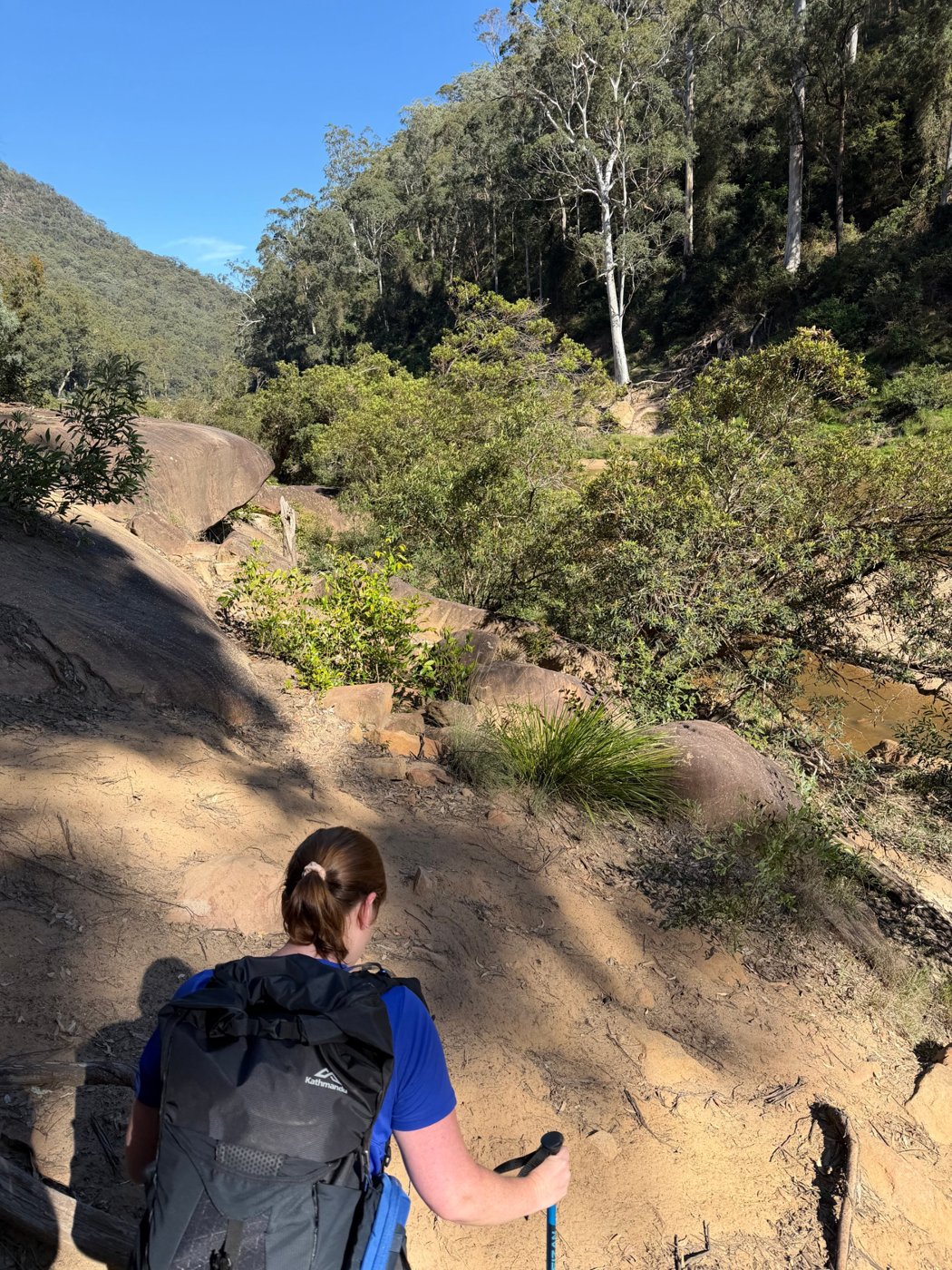
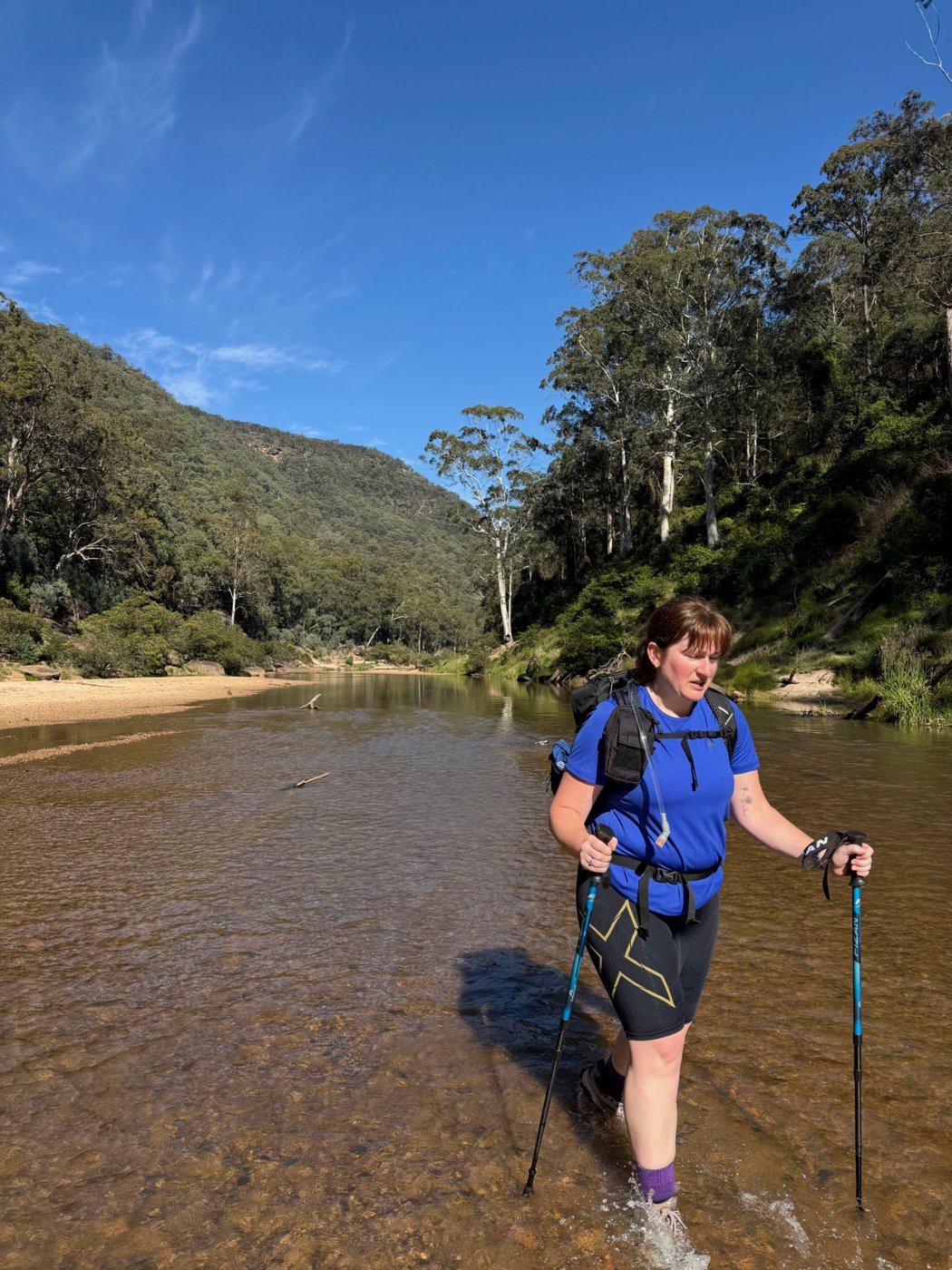
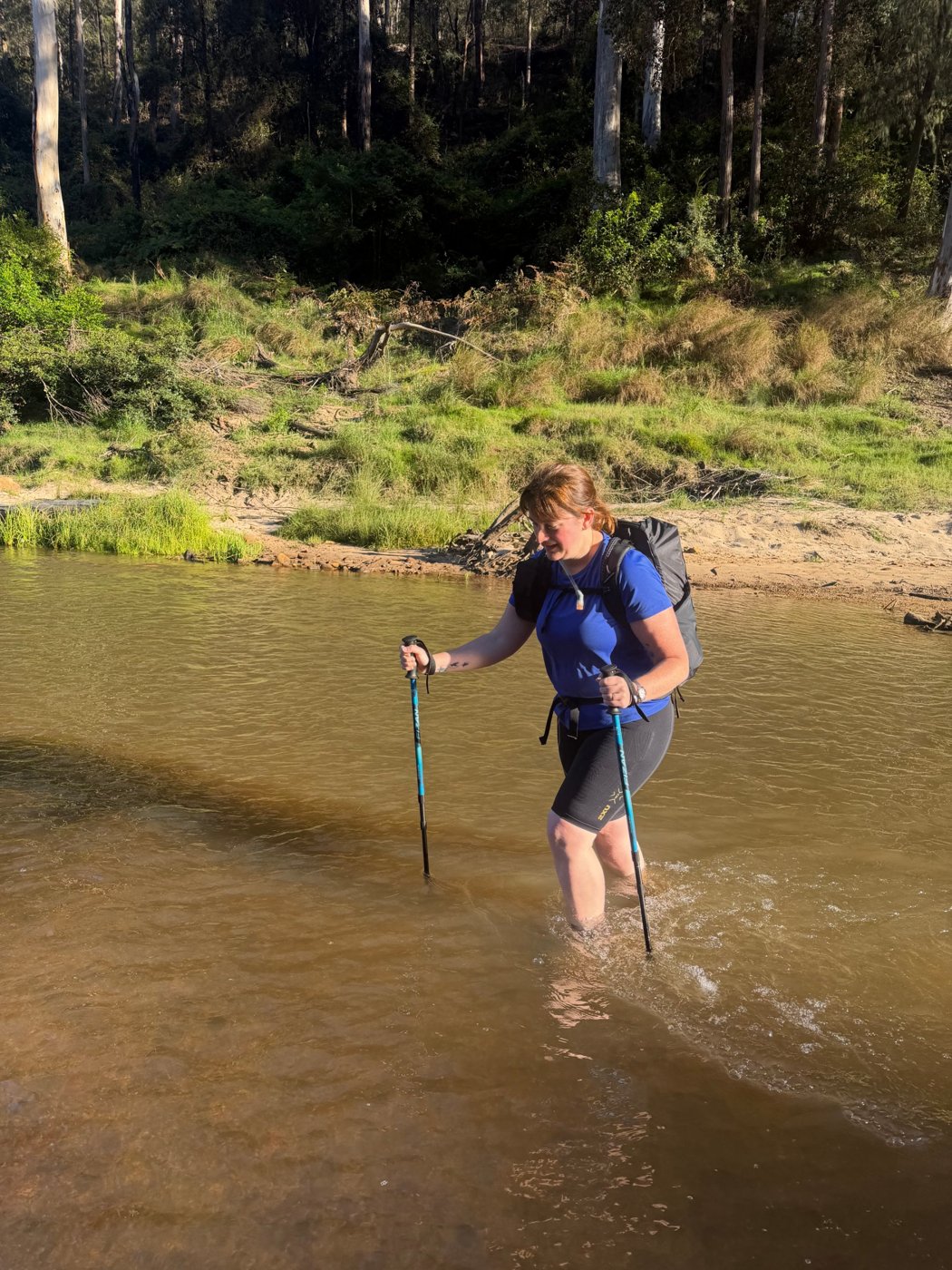
Here’s what 529m of climbing in 10km looked like. Steep rocky descents, loose sand, boulders, river crossings and a long climb back out of the valley, all with a loaded pack. It’s about as close to Kokoda as we can get in the Blue Mountains.
Help Sienna raise awareness of GBS on her Kokoda trek.
Sienna’s Kokoda project Supporting people with Guillain-Barré syndrome
If her story has meant something to you, please share it or donate to her Kokoda project.
Donate to Sienna’s Kokoda projectLiving with a condition and not sure where to start in the gym?
Coaching Built around your body, your goals and your week
We’ll start where you are, explain everything, and build training that works with your rehab, not against it.
Book your assessmentThe studies mentioned
- Garssen MPJ, Bussmann JBJ, Schmitz PIM, et al. Physical training and fatigue, fitness, and quality of life in Guillain-Barré syndrome and CIDP. Neurology, 2004.
- Bussmann JBJ, Garssen MPJ, van Doorn PA, Stam HJ. Analysing the favourable effects of physical exercise: relationships between physical fitness, fatigue and functioning in Guillain-Barré syndrome and CIDP. Journal of Rehabilitation Medicine, 2007.
- Khan F, Pallant JF, Amatya B, et al. Outcomes of high- and low-intensity rehabilitation programme for persons in chronic phase after Guillain-Barré syndrome: a randomized controlled trial. Journal of Rehabilitation Medicine, 2011.
- Jauregui-Gutiérrez et al. Rehabilitation in Guillain-Barré syndrome: from intensive care to functional recovery. ICU Management and Practice, 2026.